Plan Your Journey

info@amazinggallery.co.tz

WhatsApp: +255 748 691 331

Kilimanjaro Routes

The Lemosho Route
Kilimanjaro

Seven or eight days from Londorossi Gate through remote western wilderness, the Shira Plateau, Lava Tower, and Barafu to Uhuru Peak. The longest standard approach and the one that gives most climbers the best chance at the summit.

7–8 Days on the Mountain Western Approach via Shira Locally Operated from Moshi
Duration
7–8 DaysStandard / Extended
Difficulty
Moderate–HardRemote early terrain
Acclimatisation
ExcellentLongest standard route
Summit Rate
~90%Highest of standard routes
Crowds
ModerateQuieter western start
Descent
Mweka Gate1,640 m
Why Climb Lemosho Route with Amazing Gallery Expeditions

Locally Operated, Properly Paced

Locally operated from Moshi, our Lemosho climbs use the extra days on the western approach to build acclimatisation before the mountain gets steep. For most climbers who want the best possible summit chance, we recommend the 8-day option because the additional days on the lower slopes matter significantly above 4,500 m.

Local Kilimanjaro Crew

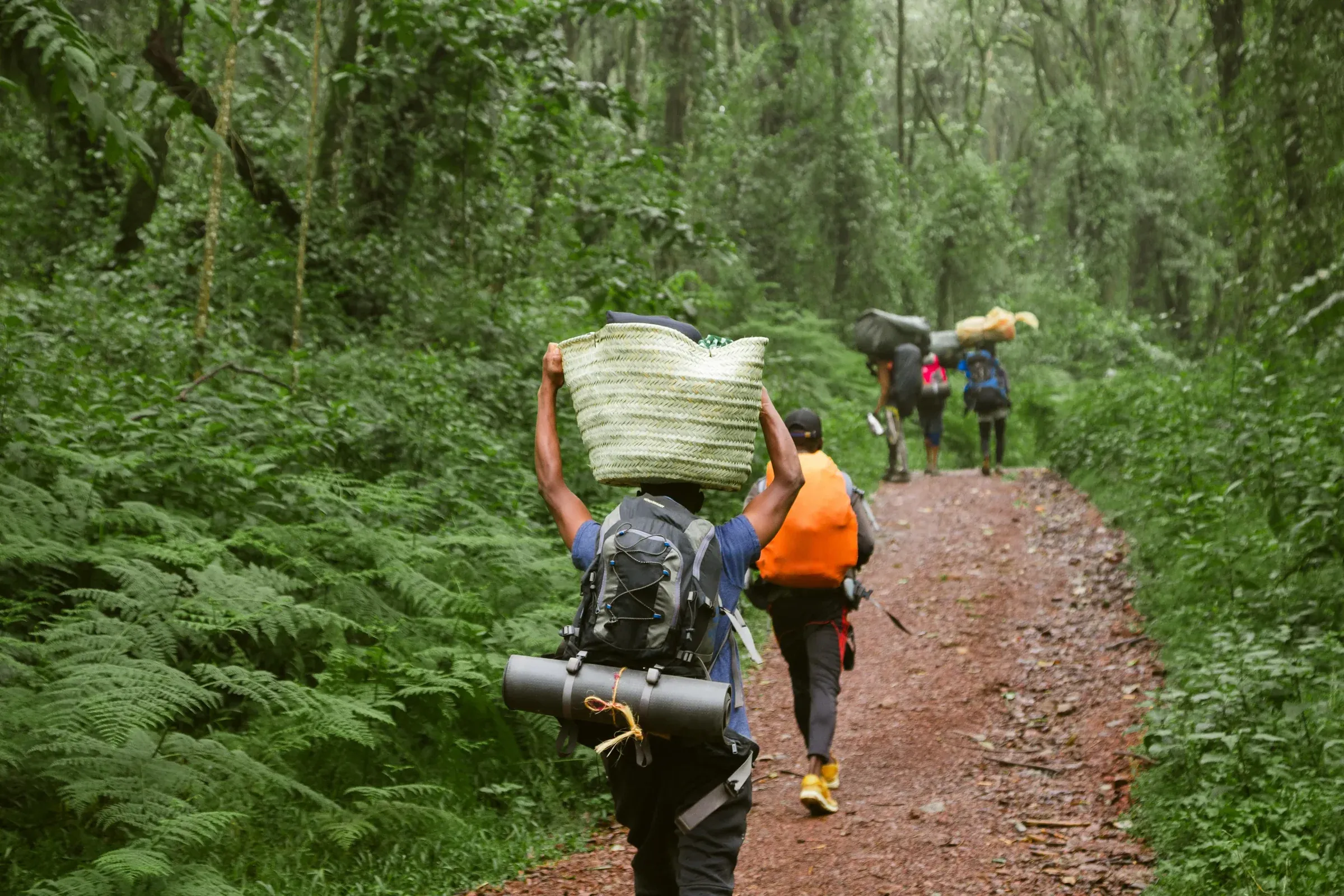
Guides, cooks, and porters from Moshi and nearby communities. Every crew member knows this mountain from years of guiding.

Paced for Altitude

Slow movement, daily health checks, and summit pacing that protects energy reserves. We do not let climbers push too fast early and pay for it on summit night.

Private Climb Support

Flexible planning, clear pre-departure briefing, and full support from your Moshi arrival to descent. Nothing is handed off to a third party.

Ask Us If Lemosho Fits You
The Route

The Route Most Experienced Guides Recommend

The Lemosho Route approaches Kilimanjaro from the western side, beginning at Londorossi Gate. The western approach is quieter than the southern routes during the first two days, fewer teams start here, which changes the atmosphere on the early trail sections. As the climb progresses, Lemosho joins the Machame Route after Barranco Camp and follows the same upper mountain stages to Barafu and the summit.

The defining advantage of Lemosho over Machame is time. Two extra days on the mountain, especially during the Shira Plateau section at 3,500–3,840 m, give the body a more gradual introduction to altitude before the acclimatisation day at Lava Tower. This additional exposure at moderate altitude changes how climbers feel at Barafu on the eve of summit night.

Lemosho is the route most experienced Kilimanjaro guides recommend when asked which route they would choose for themselves. The longer profile, quieter early stages, and exceptional scenery across the full Shira Plateau make it the most balanced Kilimanjaro route available at a standard price point.

Acclimatisation note: Lemosho provides the best acclimatisation of any route that does not add a full northern circuit. The two Shira Plateau days at 3,500–3,840 m meaningfully reduce altitude stress before the Lava Tower loop on Day 4. For climbers with any altitude concern, Lemosho is the clear choice over Machame.
Elevation Profile
2,000m 3,000m 4,000m 5,000m Summit Londorossi Mti Mkubwa Shira 1 Shira 2 Lava Tower Barranco Karanga Barafu Uhuru Peak Mweka Mweka D0 D1 D2 D3 D4 D5 D6 D7 D8 D9 D10
Forest  ■ Moorland  ■ Alpine
Key Facts
Start pointLondorossi Gate, 2,100 m
End pointMweka Gate, 1,640 m
Highest campBarafu Camp, 4,640 m
SummitUhuru Peak, 5,895 m
Joins Machame atBarranco Camp, Day 4
Descent routeMweka Route
Is This Route Right for You?

Who Lemosho Is Built For

Lemosho suits a broader range of climbers than any other route, from first-time altitude trekkers who want the best possible acclimatisation to experienced climbers who want more mountain time and scenery over efficiency.

This route works well if you…

Want the best available acclimatisation without doing the full Northern Circuit
Are a first-time high-altitude climber with no prior acclimatisation experience
Value a quieter, more remote atmosphere during the early stages of the climb
Have 7 or 8 days and want exceptional Shira Plateau scenery throughout
Have previously attempted Kilimanjaro and want a stronger acclimatisation approach
Are willing to pay a slight premium for a longer route (porter days add cost)

Consider another route if you…

Are tightly constrained to 5–6 days, Lemosho requires 7 days minimum
Are on a strict budget, the extra porter days increase cost modestly
Prefer hut accommodation over camping, Lemosho is a camping route
Want to avoid joining a busier trail, Lemosho joins Machame after Day 4 and the upper mountain is shared
Day by Day

Camp by Camp, Lemosho Route Stages

Lemosho's route duration typically ranges from 7 to 8 days. AGE runs Lemosho as an 8-day programme, adding a rest day on the Shira Plateau between Days 2 and 3 for stronger acclimatisation. This is the itinerary we recommend and the one most of our climbers book.

D1Londorossi Gate to Forest Camp
2,100 m to 2,750 m3 to 4 hrsForest
Remote western start. Dense montane forest with little trail traffic. The quietest first day of any standard Kilimanjaro route.
D2Forest Camp to Shira 1 Camp
2,750 m to 3,500 m5 to 6 hrsMoorland
Exit the forest zone into open heather and moorland. First wide views of the summit through the cloud. The Shira Plateau comes into view.
D3Shira 1 to Shira 2 Camp
3,500 m to 3,840 m3 to 4 hrsMoorland
Short day across the ancient Shira Plateau. Good acclimatisation day. The plateau stretches wide with the summit visible above.
D4Shira 2 to Barranco Camp via Lava Tower
Climb to 4,630 m, sleep at 3,960 m7 to 8 hrsAlpine
Climb to Lava Tower at 4,630 m to stimulate altitude adaptation, then descend to sleep at Barranco Camp at 3,960 m. The same climb-high-sleep-low loop used on Machame, with the added advantage of extra days already spent on the mountain.
D5Barranco Camp to Karanga Camp
3,960 m to 4,035 m4 to 5 hrsMoorland
The Barranco Wall: a hands-and-feet scramble over volcanic rock. Dramatic but not technically difficult. Most climbers complete it in under 90 minutes.
D6Karanga Camp to Barafu Camp
4,035 m to 4,640 m4 to 5 hrsAlpine
Final approach to the summit camp. Arrive by early afternoon. Rest, eat, and attend the summit briefing at 23:00.
D7Barafu Camp to Uhuru Peak, then Mweka Camp
4,640 m to 5,895 m, descent to 3,100 m12 to 15 hrsSummit
Midnight departure. Very slow and deliberate pace. Stella Point on the crater rim, then Uhuru Peak. Descent to Mweka Camp follows directly.
D8Mweka Camp to Mweka Gate
3,100 m to 1,640 m3 to 4 hrsForest
Final descent through forest. Certificate presentation at Mweka Gate. Transfer back to Moshi.
Summit Night Reality

Midnight. Cold. Dark. Slow.
Then Sunrise at 5,895 Metres.

Barafu Camp
4,640 m
Stella Point
5,756 m
Uhuru Peak
5,895 m
Mweka Camp
3,100 m
12–15 Hours
Total Effort

Departure from Barafu is around midnight. The pace feels frustratingly slow for the first hour; that is the correct pace. Most summit failures on Kilimanjaro happen to climbers who push too hard between Barafu and Stella Point and exhaust themselves before reaching the crater rim.

Stella Point at 5,756 m marks the crater rim. From there, 45 minutes across the crater edge brings you to Uhuru Peak at 5,895 m, the highest point in Africa. Most climbers reach the summit around sunrise. When the first light reaches the crater rim, the climb begins to feel different. Descent to Mweka Camp follows directly.

~00:00 · 4,640 m
Midnight Start
Cold darkness from Barafu. Slow, deliberate steps from the first minute.
Crater Rim · 5,756 m
Stella Point
The milestone before the final push. Reaching the rim changes the feel of the climb.
Around Sunrise · 5,895 m
Uhuru Peak
Africa’s highest point. The first light reaches the rim and the climb begins to feel different.
Descent · 3,100 m
Long Descent
The day continues after the summit. Mweka Camp is the end of the longest mountain day.
Our guides are trained to read altitude, not just the trail. They know when to slow down, when to stop, and when the pace that feels impossible is the one that gets you to the summit. Slow is fast on Kilimanjaro.
Want the 8-day itinerary or a different approach? The 8-day Lemosho option adds a Shira acclimatisation day and is recommended for most first-time high-altitude climbers.
Request an 8-Day Lemosho Proposal
Route Comparison

How the Lemosho Route Compares

Every route is right for someone. The table below helps you weigh duration, acclimatisation quality, scenery, and summit success rate across all five main Kilimanjaro routes.

RouteDurationDifficultyAcclimatisation SceneryCrowdsBest ForSuccess Rate
Machame
View route →
6–7 Days Mod–Hard Good Busy Scenery + acclimatisation balance ~85%
Lemosho (this page) 7–8 Days Mod–Hard Excellent Moderate Best overall acclimatisation + quieter feel ~90%
Marangu
View route →
5–6 Days Moderate Weaker Busy Hut sleeping, shorter trip ~65%
Rongai
View route →
6–7 Days Moderate Good Quiet Drier north approach, less trail traffic ~85%
N. Circuit
View route →
8–9 Days Mod–Hard Excellent Quietest Best success rate, most remote, best acclimatisation ~95%

Success rates are indicative averages based on route duration and acclimatisation quality. Individual outcomes depend heavily on pacing, preparation, and altitude response.

Preparation & Fitness

Preparation for Lemosho

Lemosho's longer profile does not reduce the physical demand, it redistributes the altitude stress more gradually. Cardiovascular fitness remains the most useful preparation. Plan to hike with weight and elevation gain for at least 8–10 weeks before the climb.

The route does not require technical skills. No rope, no crampons, no ice axe. The Barranco Wall is a scramble, not a climb. A good level of general trekking fitness and a patient, well-paced guide are the two most reliable predictors of summit success on Lemosho.

Altitude medication (Diamox/acetazolamide) is sometimes used as a precaution. We discuss this individually during planning. It is not mandatory but some climbers choose it under medical guidance.

Best Time to Climb

Seasonal Conditions

Lemosho follows the same seasonal pattern as other southern routes. The western approach can be slightly wetter in the lower forest section during the rainy season.

June to October, Peak Season

JunJulAugSepOct

Best trail conditions and summit visibility. Lemosho is significantly less crowded during this window than Machame because fewer teams start at Londorossi Gate. A genuine advantage over the more popular southern start.

January to March, Short Dry Season

JanFebMar

Excellent conditions. January and February are cold but reliable. The mountain is quiet and conditions strong. March marks the beginning of the long rains, climbing is possible early in the month but conditions worsen.

April–May and November

AprMayNov

April and May are the long rain season, not recommended for Lemosho due to the extended western forest section which becomes particularly muddy. November's short rains are manageable for most of the month.

Guide Pricing

Lemosho Route Price Guidance

Lemosho pricing depends on group size, climb duration, season, and whether you choose the 7-day or 8-day itinerary. The 8-day climb costs more because of the extra mountain day, crew time, park fees, food, and camping support. We provide a full itemised quote after a brief conversation about your dates and group.

What Affects the Final Price

DurationLonger itineraries cost more due to extra crew days, meals, and park fees
Group SizeSolo climbers carry a single supplement; pairs and groups reduce the per-person rate
SeasonPeak season carries slightly higher park authority charges
Request a Private Lemosho Quote
Our Crew

Guiding, Safety & Porter Welfare

Crew Welfare & Porter Standards

Every Kilimanjaro climb we operate is staffed by local guides, assistant guides, cooks, and porters from Moshi and the surrounding communities. We apply KPAP (Kilimanjaro Porters Assistance Project) standards across all climbs. This is not a compliance checkbox, it is how we operate.

European and British travelers increasingly research porter welfare before booking. We are happy to answer specific questions about crew structure, equipment provision, and wages.

What this means in practice
Minimum porter wages aligned with KPAP guidelines, paid before descent
Proper equipment including sleeping gear, warm jackets, and boots provided to all porters
Weight limits per porter strictly observed, no overloading
Lead guide certified by KINAPA (Kilimanjaro National Park Authority)
Crew-to-client ratio maintained for safety and comfort throughout
Medical oxygen and a Gamow bag carried on all climbs
After Your Climb

Continue Your Tanzania Journey

Most climbers extend their Tanzania trip before or after Kilimanjaro. The two most popular extensions, safari and Zanzibar, connect naturally from Moshi or Arusha.

Continue with Wildlife

Kilimanjaro & Northern Tanzania Safari

Transitioning from mountain to wildlife plains is one of the most complete Tanzania experiences available. Three to five safari days through Tarangire, Serengeti, and Ngorongoro Crater directly after your descent.

View Safari Extension
Recover at the Coast

Kilimanjaro & Zanzibar

Many climbers choose the Indian Ocean for recovery, warm water, no altitude, and a pace that is the opposite of everything the mountain asks of you. Domestic flight from Arusha to Zanzibar, approximately 1 to 2 hours depending on routing.

View Zanzibar Extension
Optional Half-Day Add-On
Chemka Hot Springs

A natural freshwater pool fed by underground springs, set in shaded forest near Moshi. A popular recovery stop for climbers on the day after descent, with warm water, quiet surroundings, and very little effort required. Usually paired with the first night back in Moshi before a flight the next day.

About Chemka Hot Springs →
Common Questions

About the Lemosho Route

How is Lemosho different from Machame in practice?
Lemosho adds two days via the western approach before joining Machame at Barranco Camp on Day 4. The early stages are noticeably quieter because fewer teams start at Londorossi Gate. The Shira Plateau section adds exceptional scenery and meaningful acclimatisation time. From Barranco onward, the routes are identical.
Is Lemosho worth the extra cost?
Yes, for most climbers. The extra porter days add a modest cost premium, typically 10–15% over Machame. The acclimatisation improvement and quieter early trail experience represent genuine value. We recommend Lemosho over Machame for any climber who has the time and budget.
Can I do Lemosho in 7 days or do I need 8?
Seven days is the standard Lemosho itinerary and provides excellent acclimatisation. An 8th day is available by adding a rest day on the Shira Plateau between Days 2 and 3. This is beneficial for altitude-sensitive climbers, older climbers, or anyone who wants the most gradual possible approach. We discuss this during planning.
What is the Shira Plateau like?
The Shira Plateau is one of Kilimanjaro's most distinctive landscapes, a high-altitude volcanic caldera at 3,500–3,840 m with wide open moorland, extraordinary views of the summit, and far fewer other climbers than the southern routes. Days 2 and 3 on Lemosho cross the full plateau.
Does Lemosho have a higher success rate than Machame?
Yes, meaningfully. The approximate figures are 90% for Lemosho vs 85% for Machame on a standard itinerary. The additional acclimatisation time is the primary reason. Both figures are indicative and depend on individual altitude response and guide quality.
What happens if the weather closes in during the western forest section?
The Lemosho western forest section is more remote than Machame's start. Trail conditions can become difficult in heavy rain. This is manageable with proper equipment, waterproof gear and gaiters are standard. The route does not have serious evacuation access concerns, the park is well-patrolled.
Other Routes

Explore All Kilimanjaro Routes

Each route has a different character. Compare durations, acclimatisation quality, and crowd levels to find the one that matches your timeline and goals.

Back to All Routes Overview
What Is Included

Every Climb Includes

Professional Kilimanjaro guide team
Mountain tents and dining tent
Daily altitude and health checks
All park and rescue fees
Three fresh mountain meals per day
Porter welfare and fair wages
Private vehicle transfer from Moshi
Summit support and descent coordination
KINAPA-certified lead guide
Emergency oxygen and Gamow bag
Hot water for washing at each camp
Summit certificate on descent
OPTIONAL ADDITION

Extend Your Moshi Days

Community & Village WalksOptional · half-day in Moshi before or after your climb
Plan This Climb

Ready to Climb Lemosho?

Tell us your dates and whether you prefer the 7 or 8-day option. We'll build a complete Lemosho itinerary from Moshi with KPAP-compliant crew, proper equipment provision, and full summit support.

Plan This Lemosho Route Climb Compare All Routes

Locally operated from Moshi, Tanzania · KPAP-compliant crew · Fully private & tailor-made
WhatsApp Us
WhatsApp Us