Preparation shapes how smoothly a Tanzania journey unfolds, from visas and packing to health precautions and on‑the‑ground logistics. This guide covers practical information to help you arrive feeling prepared and informed.
Most nationalities can obtain a Tanzania visa on arrival or apply for an e‑visa online. Pack neutral‑coloured clothing, layers for cool mornings, sun protection, and a soft‑sided bag for safari. Tipping is appreciated, and USD cash (post‑2006 bills) is widely accepted. Eligible foreign visitors now need Tanzania's mandatory inbound travel insurance, and personal travel insurance covering medical evacuation is strongly recommended.
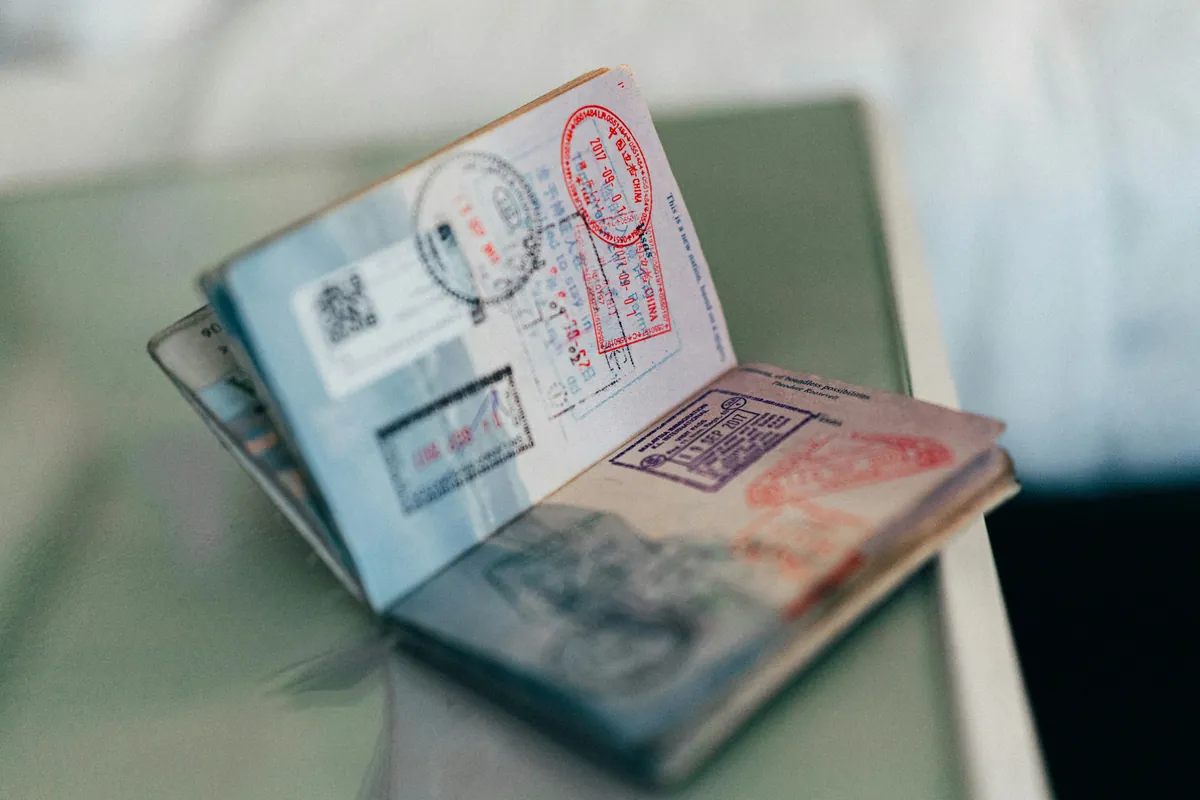
Most nationalities can obtain a visa on arrival at Kilimanjaro International Airport, Julius Nyerere International Airport (Dar es Salaam), or Zanzibar International Airport. Alternatively, travelers can apply for an e‑visa online before departure. Visa requirements change periodically, so checking the current regulations before travel is recommended.
Required documents: Passport valid for at least six months, return flight confirmation, proof of accommodation, yellow fever vaccination certificate (if arriving from an endemic country). Visa fees vary by nationality.
Detailed travel information →Packing for a Tanzania safari requires lightweight, neutral‑coloured clothing, layers for cool mornings and evenings, sun protection, sturdy shoes, camera gear, and personal health items. Soft‑sided luggage is essential because charter flights have strict weight and size limits.
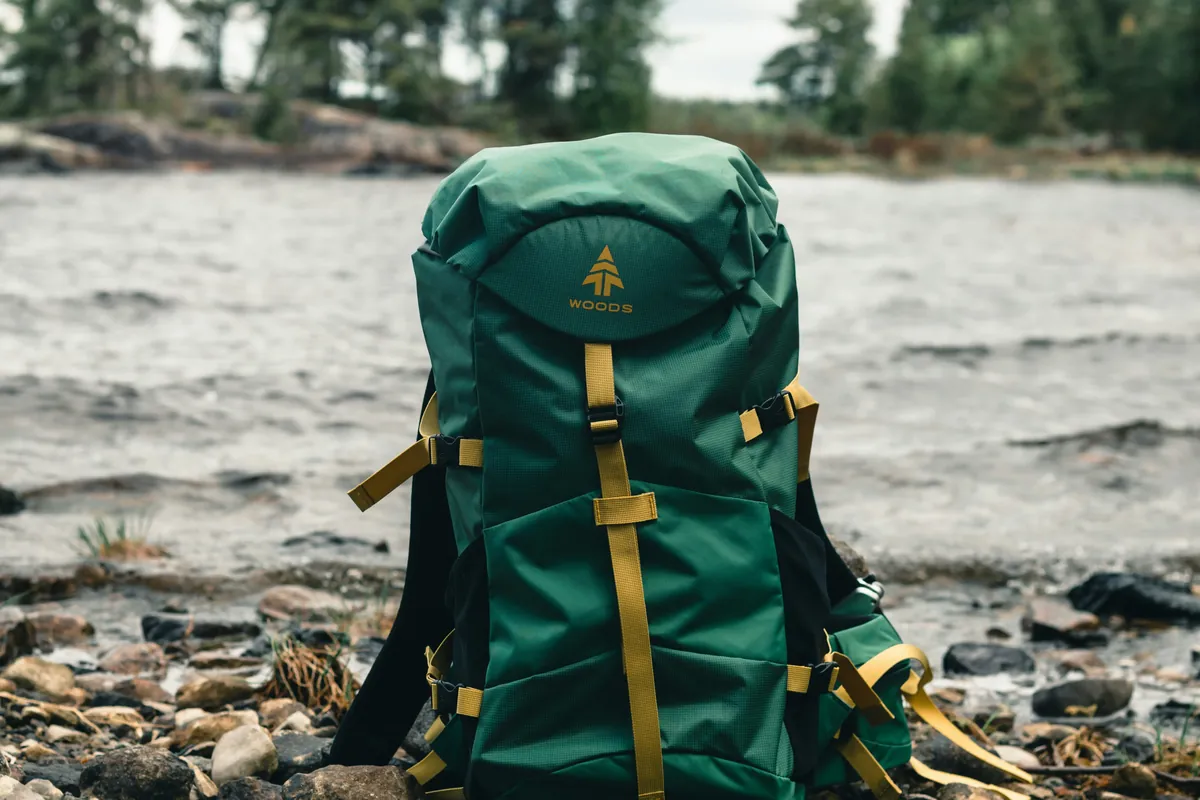
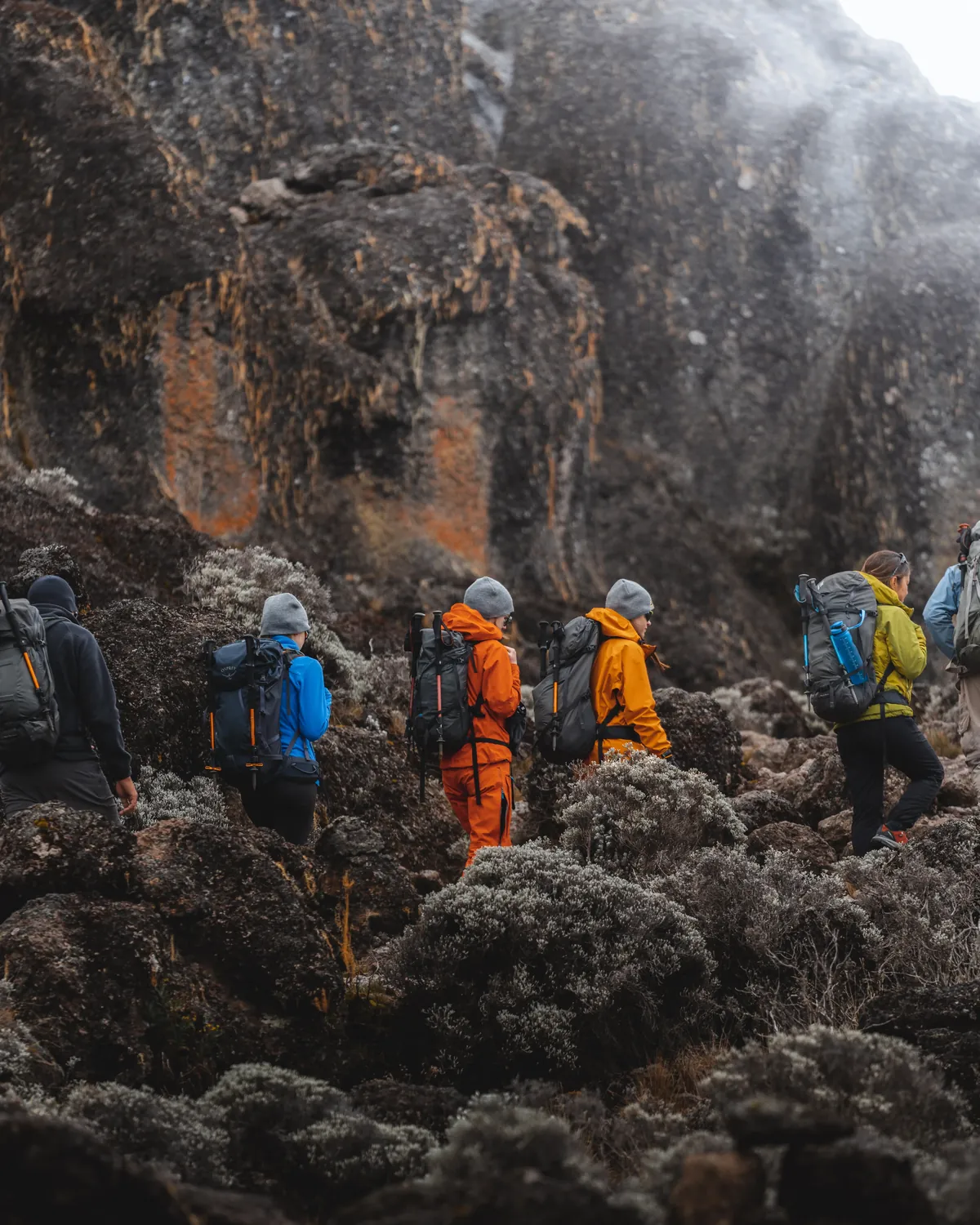
Climbing Kilimanjaro requires layered clothing for sub‑zero summit temperatures, good hiking boots, waterproof outer layers, and trekking essentials. A detailed packing list is provided upon booking, but key items include thermal base layers, insulated jacket, headlamp, hydration system, and high‑energy snacks.
Our mountain crew supplies tents, sleeping mats, and group gear. Climbers carry a daypack with personal items; porters carry the main luggage in a soft duffel bag.
Complete Kilimanjaro preparation →Tipping is customary in Tanzania and is an important part of income for safari guides, drivers, and mountain crews. While not mandatory, it is deeply appreciated. Recommended guidelines: safari guide $20–$30 per day, cook $10–$15 per day, porter $5–$10 per day. For Kilimanjaro climbs, we provide specific recommendations before your trip.
The Tanzanian Shilling (TZS) is the local currency, but US dollars are widely accepted for tourism services, park fees, and tips. Credit cards (Visa, Mastercard) are accepted at lodges, hotels, and larger shops in Arusha, Moshi, and Zanzibar, but cash is still required in remote areas and for smaller purchases.
Practical advice: Bring crisp, post‑2006 US dollar bills (old or damaged notes may be rejected). Use ATMs in major towns for shillings, but carry enough cash for tips, souvenirs, and incidental expenses.
More travel tips →
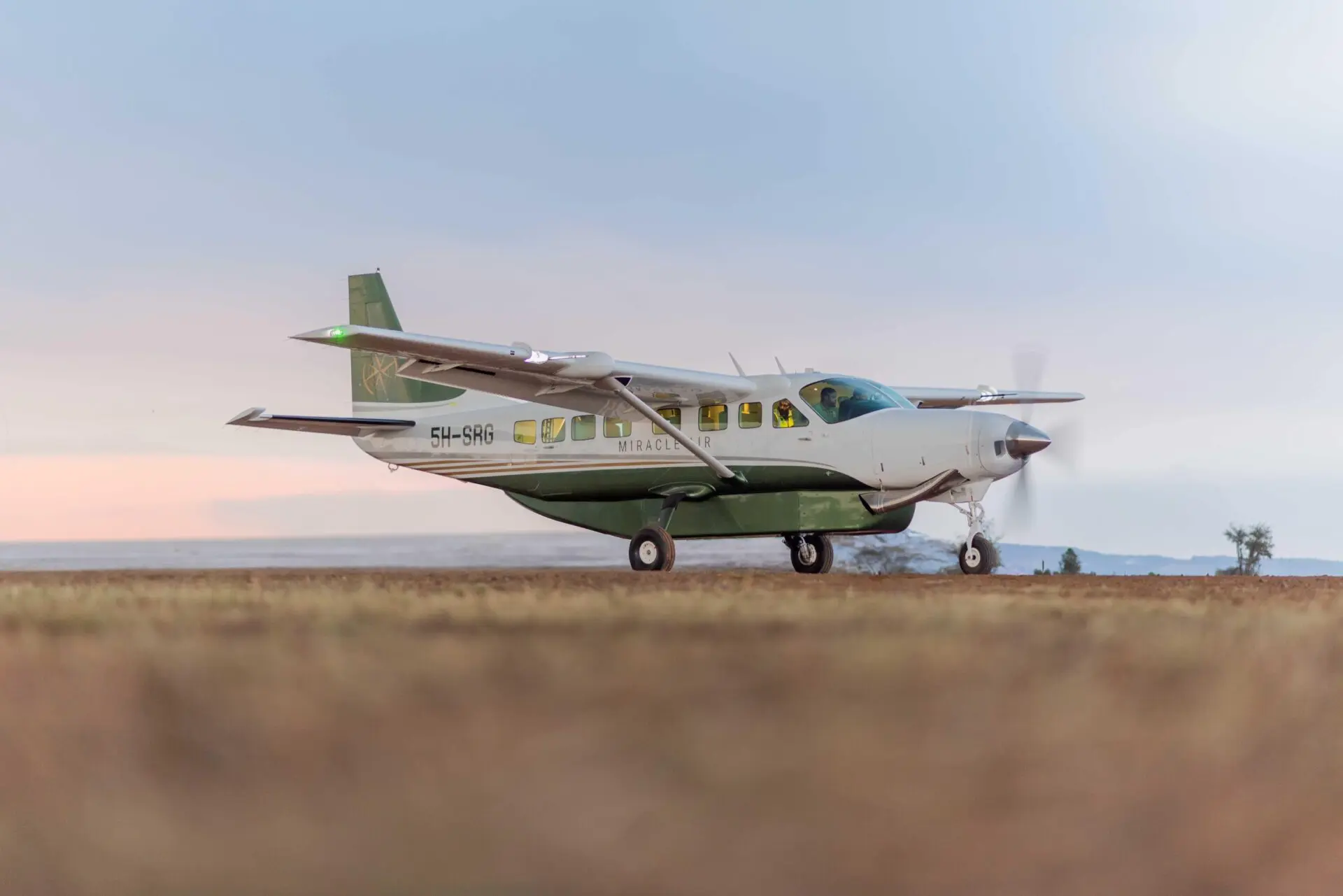
Most international flights arrive at Kilimanjaro International Airport (JRO) for northern circuit safaris and Kilimanjaro climbs, Julius Nyerere International Airport (DAR) in Dar es Salaam, or Zanzibar International Airport (ZNZ) for beach extensions. Domestic flights connect Arusha, Serengeti, and Zanzibar.
Luggage limits: Allowances on safari and domestic flights vary by airline and aircraft. Coastal Aviation, for example, allows 15 kg (33 lbs) per person including hand luggage and recommends soft-sided bags. We confirm the allowance for each flight on your itinerary. Excess luggage can be stored at your arrival hotel.
Consult a travel health professional 6–8 weeks before departure. Recommended vaccinations may include Yellow Fever (required if arriving from an endemic country), Hepatitis A, Typhoid, and Tetanus. Malaria prophylaxis is strongly recommended for safari areas and Zanzibar. Use mosquito repellent, sleep under nets provided by lodges, and wear long sleeves in the evening.
Since 1 October 2026, eligible foreign visitors entering mainland Tanzania need mandatory inbound travel insurance from the National Insurance Corporation; Zanzibar has required its own policy since 2024. One policy, bought from the insurer for your first point of entry, can cover a journey that includes both, provided it remains valid and applicable throughout. Residents of EAC and SADC partner states are exempt on the mainland. Our guide to Tanzania's mandatory travel insurance explains costs, cover and how to buy.
The mandatory policy is a basic entry requirement, not a full travel policy. Personal travel insurance covering medical evacuation, trip cancellation, lost luggage and emergency medical expenses is still strongly recommended. For Kilimanjaro, confirm your policy covers trekking to the altitude you will reach and evacuation from the mountain. We can suggest what to look for.
Even a well-built itinerary can face unexpected changes: weather, flight delays, or illness. Insurance provides peace of mind and financial protection.
Drones are strictly regulated in Tanzania. Flying drones inside national parks, conservation areas, or over wildlife is prohibited without a special permit from the Tanzania Civil Aviation Authority (TCAA) and the relevant park authority. Permits are difficult to obtain and rarely granted for tourism purposes. We strongly advise leaving drones at home to avoid confiscation or fines.
If you believe you need a drone permit, we can direct you to the relevant authorities, but approval is not guaranteed.
We believe travel should benefit the places and communities connected to the experience. Our responsible travel approach includes supporting local guides, reducing single‑use plastic, caring about the wellbeing of our Kilimanjaro crews, and designing journeys that respect wildlife and local culture.
Read our responsible travel commitment →Practical answers to common planning questions.
Most nationalities can obtain a visa on arrival or apply for an e‑visa online. Check current requirements before departure.
Yellow Fever vaccination is required if arriving from an endemic country. Hepatitis A, Typhoid, and Tetanus are recommended. Consult a travel doctor 6–8 weeks before travel.
Yes. Malaria prophylaxis is recommended for safari areas and Zanzibar. Use mosquito repellent, nets, and long sleeves in the evening.
US dollars are widely accepted. Bring crisp, post‑2006 bills. Tanzanian shillings are useful for small purchases. Credit cards work in major towns but cash is preferred in remote areas.
Yes. Local SIM cards are available at airports. Coverage is good in towns but limited in remote safari areas. Lodges often have Wi‑Fi in common areas.
It depends on the airline and aircraft. Coastal Aviation, for example, allows 15 kg (33 lbs) per person including hand luggage and recommends soft-sided bags. We confirm the allowance for each flight on your itinerary.
Continue your research with resources focused on the most important planning decisions.
Whether you have fixed dates or are still exploring possibilities, we'll help shape an itinerary that matches your travel style, pace, and interests. Reach out when you're ready.