Plan Your Journey

info@amazinggallery.co.tz

WhatsApp: +255 748 691 331

Northern Tanzania

Ngorongoro
Crater

The world's largest intact volcanic caldera. Twenty-five thousand animals living within 260 square kilometres. An enclosed ecosystem where black rhino sightings are possible and Big Five encounters are among the most consistent in Tanzania.

260 km² Crater Floor UNESCO World Heritage Site 25,000+ Large Animals
Crater Floor260 km²Continuous enclosed ecosystem
Conservation Area8,292 km²Total protected territory
Black Rhino~25One of Africa's last viable populations
Best SeasonYear-roundDry Jun–Oct for clearest conditions
Altitude2,286 mCrater rim. Floor at 1,800 m.
The Crater

What Ngorongoro Actually Feels Like

The crater does not reveal itself from above. You drive down into it through forest, cool and damp, and then the trees end and the floor opens below you. The scale becomes real only then. An enclosed world of its own, where the animals have nowhere to migrate away from and the game drive day is contained, deliberate, and often extraordinary.

"In the middle of the open grassland, there is a small dark shape that does not move like everything else."

Ngorongoro Crater Floor, 7am
Coming down into the crater at 7am, the mist sits so thick over the floor that you cannot see it from the rim. The descent road winds through forest, cool and damp. Then the trees end and the mist begins to lift. There are wildebeest directly ahead. A hyena trotting. You can see the far crater wall now, and the scale of the caldera becomes real for the first time. In the middle of the open grassland, there is a small dark shape that does not move like everything else. The guide already has the vehicle pointing toward it. Black rhino. Thirty metres from the road.

The crater is not a national park. It is part of the Ngorongoro Conservation Area Authority, which means Maasai pastoralists graze their cattle on the rim and in the highlands surrounding it. The floor itself is a private world shared by resident wildlife and visiting vehicles, and you must exit before 6pm. That single day inside , or two if you have two nights on the rim , is enough. The concentration of wildlife within the enclosed caldera means you are rarely driving far to find sightings.

The Caldera

Understanding the Ngorongoro Ecosystem

The crater floor holds five distinct habitat zones, each with its own wildlife concentrations. A full day on the floor covers most of them. Understanding which zones hold which species changes the character of the game drive.

Year-Round
Crater Floor Grassland
The open grassland of the central crater floor. Prime lion and cheetah territory. Shorter grass than the Serengeti creates exceptional visibility. Most crater circuits begin here after the descent.
Classic Tanzania Safari →
Year-Round
Hippo Pool
In the northwestern crater floor. A permanent water source with hippo, buffalo, and flamingo. The pool is a reliable mid-morning stop on most crater drives. Flamingo numbers vary with rainfall but the pool is productive year-round.
Northern Tanzania Discovery →
Year-Round
Lerai Forest
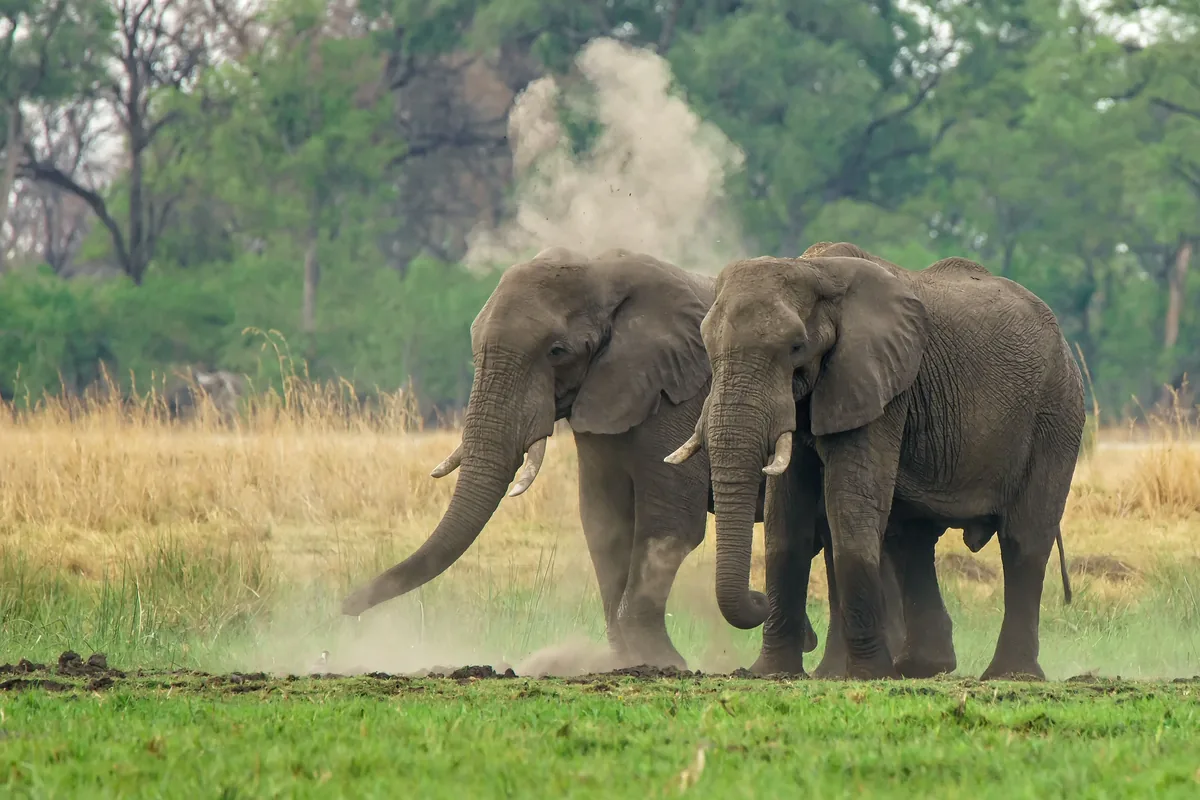
A yellow fever tree forest in the southern floor. Elephant and buffalo use this area regularly. The trees have a distinctive lime-yellow bark specific to the acacia xanthophloea species and create one of the most unusual visual environments inside the crater.
Tanzania Honeymoon Safari →
Year-Round
Crater Rim
The rim sits at 2,286 metres. The temperature is cooler and the vegetation is highland forest. Rim lodges look directly into the caldera. Early morning mist over the crater floor, viewed from the rim, is one of the defining Ngorongoro experiences.
Northern Tanzania Discovery →
Year-Round
Ngorongoro Highlands
Outside the crater, the conservation area extends through highland forest and grassland with Maasai grazing. Empakaai Crater and Olmoti Crater are accessible from here. A completely different atmosphere from the enclosed crater floor.
Classic Tanzania Safari →
Timing Your Visit

Best Time to Visit Ngorongoro

The crater is accessible year-round because its altitude keeps temperatures moderate and the enclosed ecosystem maintains resident wildlife regardless of season. Dry season gives the clearest conditions and most comfortable drives.

Jan
Good
Feb
Good
Mar
Good
Apr
Wetter
May
Wetter
Jun
Clear
Jul
Peak Dry
Aug
Peak Dry
Sep
Peak Dry
Oct
Good
Nov
Good
Dec
Good
PeakBest conditions for this experience
GoodStrong experience, fewer visitors
FairPossible but variable conditions
Dry season
June through October
Clearest conditions on the crater floor. Less vegetation obscuring sightings. The most comfortable for game drives. Rim lodges fill earliest in this period.
Green season
November through March
The crater floor greens dramatically. Newborn animals appear in January and February. Flamingo numbers peak at the soda lake. Fewer vehicles and more atmospheric misty mornings.
Year-round highlight
Any month
Black rhino sightings, while never guaranteed, can occur throughout the year. Early morning descents maximize your time on the floor before other vehicles arrive. The first two hours are always the best.
On Safari

What a Crater Day Feels Like

A Ngorongoro day is structured differently from an open-plains safari. You descend in the morning, spend the day on the floor, and exit before dark. That contained rhythm creates a particular kind of focus.

06:00 – 07:00
The Descent
You leave the rim while it is still cold, often in mist. The forest descent road is steep and winding. The transition from highland forest to open caldera floor happens in minutes. By the time the mist lifts, you are already at the bottom.
07:00 – 09:30
First Light on the Floor
The crater floor in early morning. Lions often visible near the Hippo Pool. Hyena clans active near kills. The far crater wall catches the first light and the scale of the enclosed space becomes apparent. Move slowly, cover ground.
09:30 – 12:00
Deep Game Drive
The Lerai Forest for elephants. The soda lake for flamingo. Black rhino territory in the western grassland. A knowledgeable guide reads the signs from the night before and drives with purpose toward specific areas.
12:00 – 14:00
Bush Picnic on the Floor
Most rim lodges provide packed lunches. Designated picnic areas on the crater floor. The midday heat brings a stillness to the grassland. Raptors circle above. A chance to sit quietly and absorb what you have seen.
14:00 – 17:00
Afternoon Hours
Predator activity picks up again in the afternoon. The crater wall light changes. Hippo Pool in the late afternoon is atmospheric. The drive toward the ascent road as the light drops.
17:30
The Ascent
Vehicles must exit the crater by 6pm. The ascent road climbs back through the rim forest into the cool highland air. The crater disappears behind you. Camp or lodge before dark.
Accommodation Planning

Where to Stay for Ngorongoro

Rim lodges offer the iconic crater view and the earliest possible descent. Karatu-based lodges are less dramatic but more affordable and better for combining with Tarangire.

Crater Rim
Rim Lodges
The iconic viewpoint. Wake up above the caldera. Earliest vehicle access to the descent road. More dramatic position and stronger sense of the crater's scale.
Best for: Atmosphere, early descent access, special occasions.
Karatu
Karatu Base
The town at the base of the highlands. A wide range of lodges and camps at different price points. Less dramatic than the rim but practical for multi-park circuits.
Best for: Budget flexibility, Tarangire combinations, longer northern circuits.
Conservation Area
Wilderness Camps
Remote tented camps within the conservation area, positioned away from the main tourist corridor. More exclusive, fewer vehicles at the same sightings.
Best for: Privacy, exclusivity, repeat visitors wanting a different perspective.

Rim lodge availability at peak season fills months ahead. We plan your accommodation before pricing anything else. Talk to us about Ngorongoro lodge selection.

Trip Planning

How Long to Stay at Ngorongoro

One crater day is enough to understand it. Two reveals a different face. The crater rewards those who take the time to let it settle.

1 nights
Minimum
One day on the floor
A single crater descent with a full game drive day. Enough for the main zones, black rhino territory, and the Hippo Pool. Most northern circuit itineraries allocate one crater day as part of a longer journey.
Best for: Northern circuit combinations. Time-limited itineraries.
3+ nights
With Highlands
Including the surrounding area
Three or more nights allows exploration of the Ngorongoro Highlands, Empakaai Crater, and Olduvai Gorge. A very different experience from the crater floor, and one that most visitors never see.
Best for: Repeat visitors. Cultural and archaeological interest. Those wanting the full conservation area experience.
Expert Guidance

Common Ngorongoro Planning Mistakes

A small number of avoidable decisions consistently affect the quality of the crater experience.

Timing
Arriving at the descent gate after 8am
The descent road opens at 6am. Vehicles that arrive by 7am have the crater largely to themselves for the first two hours. Vehicles arriving after 9am share every sighting with a queue of other vehicles. The difference is significant.
Duration
Planning only half a day on the floor
Some itineraries descend into the crater and ascend again by noon, treating it as a drive-through. The crater deserves a full day. Leaving early means missing the afternoon light, the second predator activity window, and the Hippo Pool in the late afternoon.
Lodge selection
Choosing Karatu when the rim matters to you
Karatu lodges are practical and good value, but they are 45 minutes from the descent gate. Rim lodges put you at the crater edge at dawn. If the Ngorongoro experience is important to you, the extra cost of a rim position is worthwhile.
Expectations
Treating black rhino as guaranteed
Ngorongoro holds one of the last viable black rhino populations in Tanzania, and the crater floor is one of the best places on the continent to see them. But sightings require a knowledgeable guide, the right area, and some patience. Do not build an entire morning around the expectation of a sighting.
Responsible Travel

Travelling Responsibly at Ngorongoro

Vehicle limits and wildlife etiquette. The crater floor has strict vehicle limits per sighting and daily vehicle quotas. These exist because the crater is small and enclosed. Respecting waiting times at sightings, not pressuring guides to approach too closely, and accepting when a guide chooses not to join a crowded sighting are all part of responsible crater tourism.

Conservation Area fees. The Ngorongoro Conservation Area Authority fee structure supports the conservation of both wildlife and the Maasai communities who live within the conservation area. The fees are substantially higher than standard national park entry and they serve a broader purpose than gate access.
Plan Your Journey

Start Planning Your Ngorongoro Safari

Tell us your travel dates, whether you want one or two crater days, and the kind of experience you are looking for. We plan the lodge selection and game drive structure from Moshi.

Plan Your Ngorongoro Safari Contact Us
WhatsApp Us
WhatsApp Us