Plan Your Journey

info@amazinggallery.co.tz

WhatsApp: +255 748 691 331

Best Time to Visit Tanzania

When to Plan
Your Tanzania Journey

Tanzania has seasons that work differently for safari, for Kilimanjaro, and for Zanzibar. This guide covers each window honestly so you can choose the combination that fits your travel dates, your priorities, and your budget.

Safari, Kilimanjaro and Zanzibar Seasons Month-by-Month Breakdown Local Advice from Moshi
Safari Guides Safari Guide Cost Guide Packing Guide Safari Styles Best Time Plan Your Journey
The Short Answer

June through October is Tanzania's dry season and the most popular window for safari, with the Mara River crossings peaking in July through September. January through March brings calving season in the southern Serengeti at lower rates. The green season from April through June offers reduced prices and quieter parks. For Kilimanjaro, January to March and June to October are both strong climbing windows. Zanzibar is excellent from June through October and December through February.

On this page Dry Season Green Season Migration Timing Month by Month Kilimanjaro Zanzibar FAQ
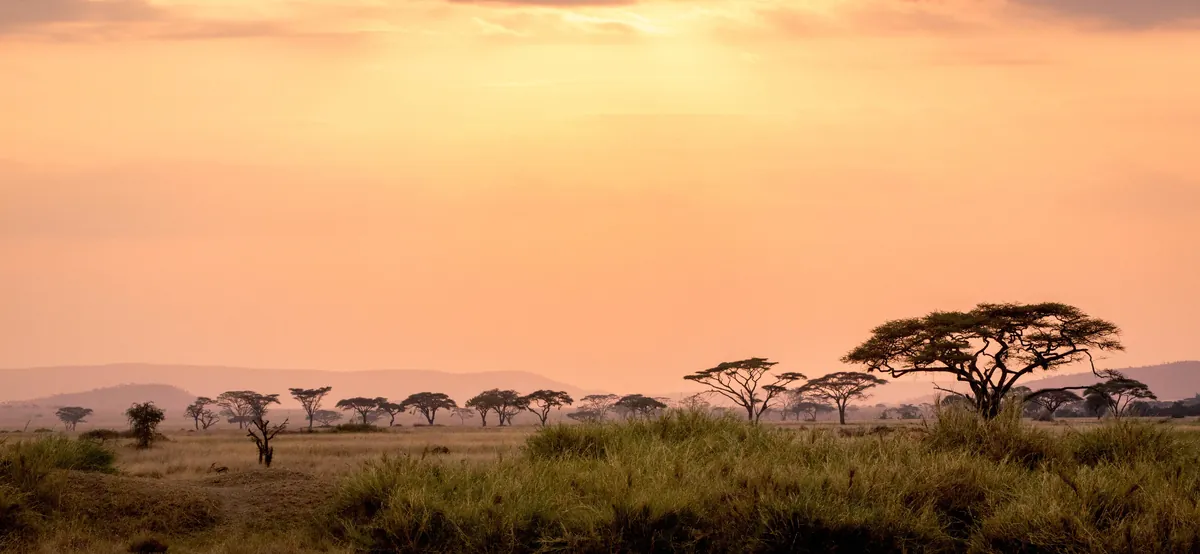
Dry season safari landscape in the Serengeti, Tanzania
From the Field

"July and August in the northern Serengeti are the months when everything converges. The herds are at the river, the predators are close, and the light in the early morning is extraordinary. The parks are busy, but the scale of the Serengeti absorbs the vehicles in a way that smaller parks cannot."

Dry Season Safari

June through October

The dry season is the most popular and most expensive time for a Tanzania safari. The bush thins, animals concentrate around permanent water sources, and roads throughout the parks are at their most accessible. Predator activity is high, game drives are productive from the first day, and the northern Serengeti hosts the Mara River crossings from July through October.

The trade-off is price and occupancy. Peak season rates at most camps are 20 to 40 percent higher than green season equivalents, the best-positioned northern Serengeti camps book out months ahead, and vehicle concentrations at popular sightings in peak July and August are higher than at other times of year.

June:
The dry season begins. Quieter than July and August, with good prices relative to quality. Vegetation starts thinning after the long rains. Excellent value window.
July to September:
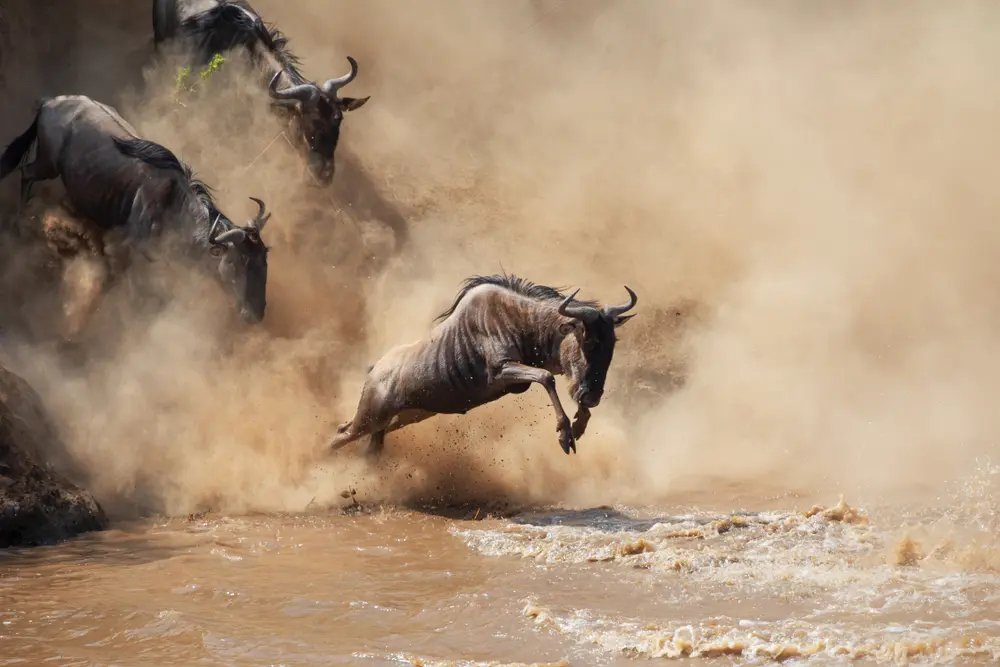
Peak season. Mara River crossings happening in the northern Serengeti. Highest rates, busiest camps, but the most consistent game viewing of the year.
October:
Short rains begin in some years. Still excellent game viewing. Prices soften slightly from August peak. Often underrated as a travel window.
Green Season Safari

November through May

Green season is not one window but several. November through December brings short rains that are often intermittent and do not significantly disrupt game drives. January through March is calving season in the southern Serengeti, one of the most spectacular wildlife events in Africa and largely overlooked by guests focused on the river crossings. April and May carry the heaviest rains of the year. June marks the transition back into dry season.

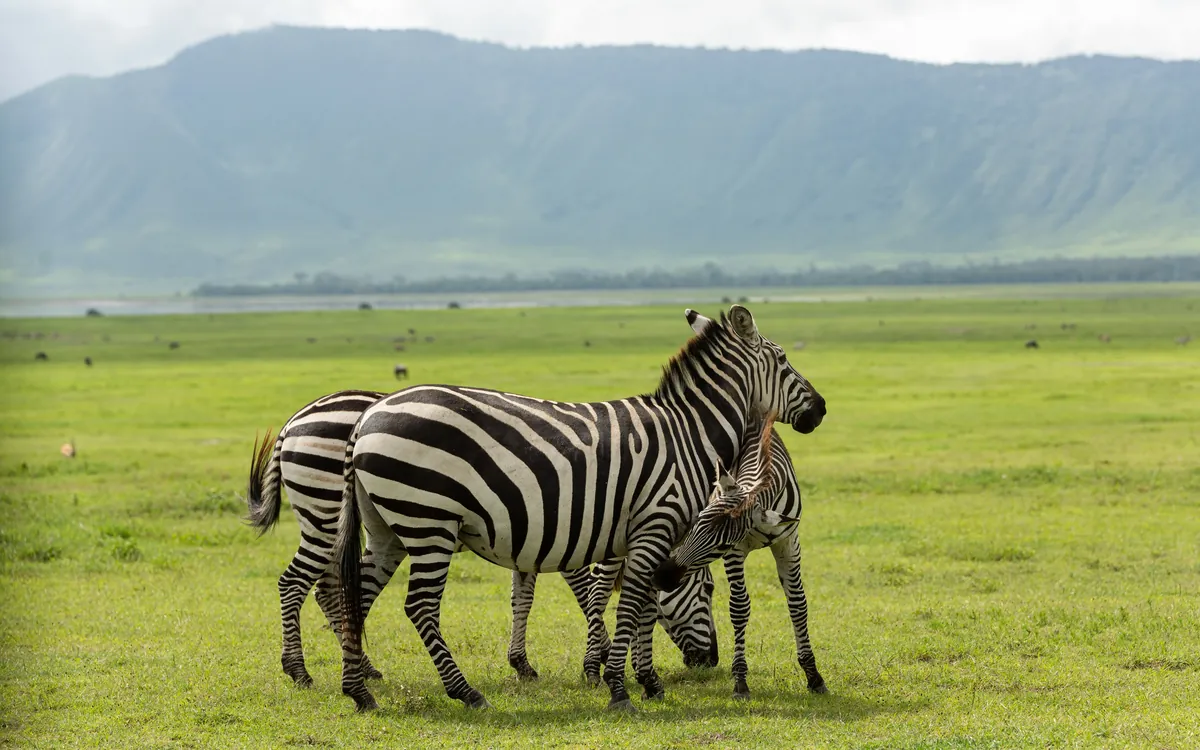
The case for green season is real. Camp rates drop by 20 to 40 percent. Parks are quieter. Birdwatching reaches its peak with both resident and migrant species present. The landscape is vivid and atmospheric. For guests who are not anchored to specific river crossing dates, January through March and November through early December are exceptional value windows.

November to December:
Short rains, often intermittent. Calving builds towards January. Good rates, beautiful light, and birdwatching improving rapidly. One of the most underrated months.
January to March:
Calving season in the southern Serengeti. Predator density is extraordinary. Lower rates than peak, good weather on most days, and the wildlife spectacle rivals anything in Africa.
April to May:
Long rains. Heaviest rainfall, some camp closures, road access can be challenging. The parks are very quiet for those who go. Not recommended for first-time visitors.
Green season safari landscape with lush vegetation, Tanzania
Green Season Advantages
  • Camp rates 20 to 40 percent lower than peak season
  • Fewer vehicles at sightings across all parks
  • Calving season in the southern Serengeti, January to March
  • Exceptional birdwatching with over 200 migrant species present
  • Lush, vivid landscapes and dramatic storm light
  • More intimate wildlife encounters with less traffic
The Great Migration Through the Year

Where the Herds Are, Month by Month

The wildebeest migration is a year-round movement, not a single event. The Mara River crossings are the most publicised moment, but the calving season in the south and the long push north through the western Serengeti are equally significant wildlife events. Understanding the full cycle helps you choose the right window for the experience you want. For a detailed breakdown of the full circuit, route, and which month to target, see the Great Migration Safari Guide.

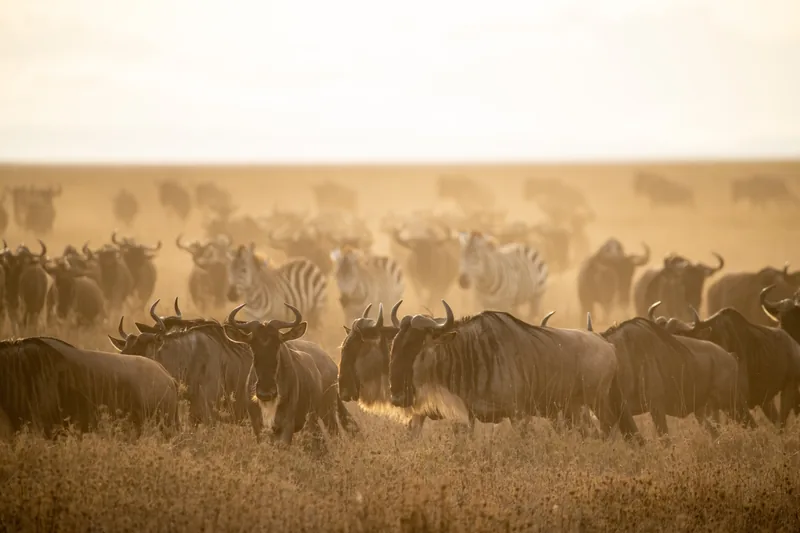
Wildebeest migration movement across the Serengeti ecosystem
PeriodLocationKey EventBest Park Position
December to MarchSouthern and eastern SerengetiCalving season. Up to 500,000 calves born January through February. Predator density at its highest.Ndutu area, southern Serengeti
April to MayCentral SerengetiLong rains. Herds moving north. Reduced camp availability. Not recommended.Central Serengeti if travelling
JuneWestern corridor and central SerengetiHerds beginning to push north and west. Grumeti River crossings start. Excellent and underrated window.Western corridor camps
July to OctoberNorthern Serengeti and Masai MaraMara River crossings. The most dramatic single wildlife event on earth. Peaks July through September.Northern Serengeti, Kogatende area
NovemberEastern SerengetiHerds moving south again. Short rains begin. Transition period with excellent predator activity.Eastern Serengeti
Month-by-Month Breakdown

Tanzania Safari Conditions Every Month

Overall safari conditions for the northern circuit, combining game viewing quality, weather, and value.

Jan
Peak
Calving
Feb
Peak
Calving
Mar
Good
Rains
Apr
Fair
Long Rain
May
Fair
Long Rain
Jun
Good
Value
Jul
Peak
Crossing
Aug
Peak
Crossing
Sep
Peak
Crossing
Oct
Good
Dry
Nov
Good
Short Rain
Dec
Peak
Dry
Peak season / best conditions
Good conditions
Fair / wet season
January
Peak Wildlife

Calving season at its height in the southern Serengeti. Extraordinary predator activity around Ndutu. Lower rates than July to September peak. One of our most recommended months.

February
Peak Wildlife

Peak calving. Warm and dry with some afternoon rain. The best single month for predator and newborn calf encounters. Book the Ndutu area camps well ahead.

March
Good

Calving ending. Herds beginning to move north. Long rains approaching in late March. Still good conditions early in the month. Rates starting to soften.

April
Wet Season

Long rains. Heaviest rainfall of the year. Some camps close. Roads can be difficult. Significant rate reductions for those who go. Not recommended for first visits.

May
Wet Season

Long rains continue. Similar conditions to April. The parks are very quiet. Lush and atmospheric for those prepared for the conditions. Lowest rates of the year.

June
Excellent Value

Dry season begins. Vegetation thinning. Herds moving north and west. Grumeti crossings starting. Quieter than peak season with very good game viewing. Outstanding value.

July
Peak Season

Mara River crossings beginning in the northern Serengeti. Highest rates and demand. Exceptional game viewing throughout the northern circuit. Book six months ahead for best camps.

August
Peak Season

The busiest month. River crossings at their most frequent. Highest camp occupancy and rates. The most consistently spectacular game viewing of the year. Plan and book early.

September
Peak Season

Crossings continuing. Some herds beginning to move south. Slightly less congested than August at popular sightings. Still peak rates. Excellent across all northern circuit parks.

October
Good

Short rains can begin in late October but rarely disrupt drives significantly. Rates soften slightly. Good game viewing continues. Often underrated as a travel window.
November
Good

Short rains. Intermittent and usually not severe. The landscape greens quickly. Herds moving south. Good birdwatching as migrants arrive. Moderate rates. Underappreciated month.

December
Peak (Christmas)

Rates spike at Christmas and New Year week. Outside those dates, mid-December is excellent with dry conditions and calving starting in the south. Good wildlife, good value outside the holiday spike.

Kilimanjaro Climbing Seasons

When to Climb Kilimanjaro

Kilimanjaro has two primary climbing windows that align broadly with Tanzania's dry seasons. Both offer good conditions, but each has distinct characteristics on the mountain that affect the experience.

The single most important seasonal consideration for Kilimanjaro is not the calendar month but the route length. A seven-day route in the shoulder season will nearly always outperform a five-day route in peak season in terms of summit success rate. Route choice matters more than seasonal timing.

January to March:
Clear skies, good visibility from the summit on most days, cold temperatures at altitude. The mountain is drier than in the green season. A strong climbing window that coincides with calving season on safari if combining both.
June to October:
The main dry season. June and July offer excellent conditions with fewer climbers than August. September and October see the mountain at its driest and most stable. The most popular window overall.
December:
Dry and clear in most years. December is a popular month for Kilimanjaro, particularly for guests combining the summit with a Christmas safari or Zanzibar holiday. Book well ahead.
April and May:
Long rains affect the lower rainforest zones significantly. Trails become slippery, the forest section is very wet, and summit visibility is lower. Not recommended unless schedule does not allow otherwise.
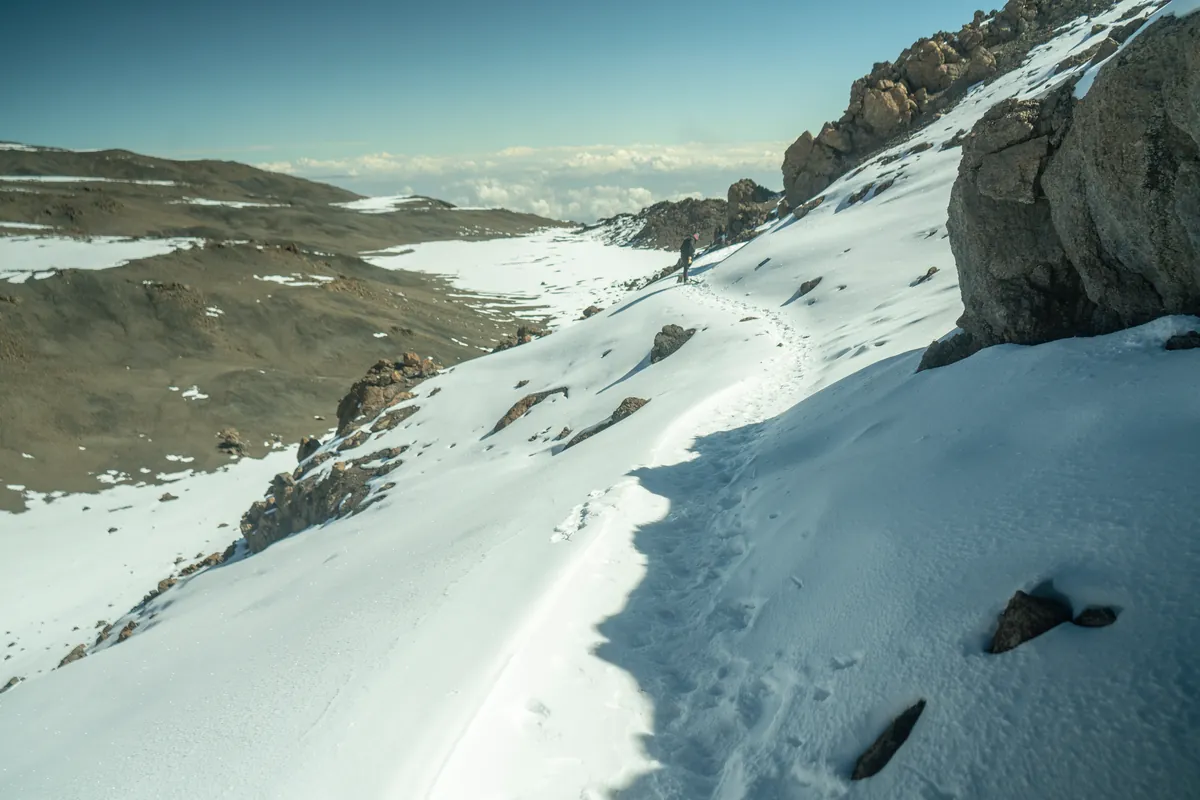
Kilimanjaro climbing season, clear skies and dry conditions
Kilimanjaro Season Summary
WindowConditions
Jan to MarDry, clear, cold summit. Good visibility.
Apr to MayLong rains. Wet forest, poor visibility.
Jun to OctPrimary season. Dry, stable, popular.
Nov to DecShort rains then dry. December popular.
Zanzibar Through the Seasons

Beach Conditions on the Indian Ocean

Zanzibar runs on a different seasonal calendar from the mainland. It has two dry seasons and two wet seasons per year. The north coast is more sheltered and has more consistent swimming conditions than the east coast, which is more exposed to tidal and seasonal variation.

Best months for Zanzibar beach

June through October:
The primary dry season. Consistently sunny, calm seas on the north coast, excellent snorkelling and diving visibility. Coincides with peak safari season, making this the natural combination window. Book hotels three to six months ahead.
December through February:
Short dry season. Almost as good as June to October with slightly lower rates outside Christmas and New Year. Excellent swimming and diving. The natural combination with a calving season safari or end-of-year travel.
March through May:
Long rains. The least favourable beach period with overcast skies, occasional rough sea conditions on the east coast, and reduced diving visibility. Some smaller properties close during this period.

Combining with safari or Kilimanjaro

The Safari and Zanzibar combination works best when both destinations are in their respective good seasons. The most reliable windows are June through October and December through February. Both align safari game viewing with good Zanzibar beach conditions and connect easily via domestic flight from Kilimanjaro or Arusha airport.

Kilimanjaro and Zanzibar combine naturally in the same windows. Arriving on Zanzibar after a summit attempt gives the body warm, sea-level recovery in a completely different environment from the mountain. The transition from 5,895 metres to a beach lounger takes under three hours by road and plane.

Common Questions

Frequently Asked Questions

Questions we hear most often from guests trying to decide when to travel.

Is the green season actually worth it for safari?

Yes, for the right guest. Calving season in January and February rivals anything in peak season for wildlife density and predator activity, at 20 to 30 percent lower rates. June is excellent value with no rain and very good game viewing before the peak crowds arrive. April and May are the challenging months, not the whole of green season.

When should I book to get the Mara River crossings?

The crossings happen in the northern Serengeti roughly from July through October, with the highest frequency in August and September. The best-positioned camps at Kogatende book out six months or more ahead. If you want July to September, contact us by January at the latest. The crossings cannot be guaranteed on any specific day, but the probability of witnessing one over five or more days in the right location is very high.

What is the best month for a first Tanzania safari?

July, August, or January. July and August give you the best conditions for first-time visitors who want the most productive game viewing and the river crossing spectacle. January and February give you calving season at significantly lower rates. For guests with flexibility on dates, February is often our top recommendation for the combination of wildlife quality and value.

Can I do Kilimanjaro and safari in the same trip?

Yes, and many guests do. The standard combination is Kilimanjaro first, then two to four nights of recovery, then the safari. This ordering makes physical sense as the safari is less demanding after a summit attempt. The whole journey works well in any of the main climbing and safari windows, particularly January to March and June to October.

Trusted by guests who have travelled with us across all seasons
Explore Sample Itineraries

Journeys Built Around the Right Season

Each of these itineraries is built with timing in mind. Tell us your travel dates and we will advise on the best combination of parks, route, and camp positioning for your window.

Great Migration Safari Mara River crossings northern Serengeti Migration
8–10 Days July to October Guide price from USD 4,200
Great Migration Safari
Timed for the Mara River crossings in the northern Serengeti. Positioning and camp selection are everything for this journey.
Northern Tanzania Discovery any-season safari Safari
8 Days Any Season Guide price from USD 3,200
Northern Tanzania Discovery
The full northern circuit works across all seasons with different highlights in each window. Tell us your dates and we will brief you on what to expect.
Kilimanjaro and safari combined climb and northern circuit Climb + Safari
14 Days Climb + Safari Guide price on request
Kilimanjaro & Safari
Summit Kilimanjaro then recover on safari in the northern parks. Both activities work best in the same primary seasons.
View All Journeys
Start Planning

Tell Us Your Dates. We Will Build Around Them.

Share your travel window and we will advise on the best parks, migration position, Kilimanjaro timing, and Zanzibar combination for that specific period. All from our base in Moshi.

Plan Your Journey Contact Us
WhatsApp Us
WhatsApp Us