Plan Your Journey

info@amazinggallery.co.tz

WhatsApp: +255 748 691 331

Kilimanjaro Preparation Guide

How to Prepare for
Kilimanjaro

Preparing for Kilimanjaro involves more than fitness alone. Altitude, pacing, route choice, recovery, and mental rhythm all influence how the climb feels once you are on the mountain. Most climbers who struggle did not prepare for the right things.

All Five Routes Altitude and Pacing Focus Guides Based in Moshi
Kilimanjaro Climbing Guide Machame Lemosho Marangu Rongai Preparation Guide Plan Your Climb
The Short Answer

Kilimanjaro does not require technical climbing skills but it is a serious altitude mountain. Many physically strong hikers still struggle when ascent outpaces the body's ability to acclimatise. The most important preparation decisions are route length, consistent cardiovascular training over three to six months, understanding altitude and how it affects the body, and realistic expectations about summit night.

On this page Understanding the Mountain Fitness Training Route Choice Gear and Packing Summit Night Mental Preparation FAQ
Understanding the Challenge

Kilimanjaro Is an Altitude Mountain

Kilimanjaro does not require technical climbing skills or ropes. It does not involve glacial traversal or vertical rock faces. What it does require is the ability to walk uphill for six to eight hours per day across multiple consecutive days while the body adjusts to progressively lower oxygen levels. That adjustment is altitude acclimatisation and it is the variable that separates summit success from a high-altitude turnaround.

Altitude affects every climber regardless of age, physical fitness, or prior hiking experience. Very fit athletes have turned around at high camps. Moderately fit climbers with good preparation, a longer route, and a well-paced guide have reached Uhuru. The difference is not physical strength. It is how well the chosen route and pacing strategy allowed the body to adjust.

Understanding this before you start preparing changes what you train for and which route you choose. Both of those decisions matter more than the fitness level you arrive with.

From the Mountain

"We have guided climbers who ran marathons and climbers who had not walked uphill in years. Both can reach the summit. What separates those who do is almost always preparation, not athleticism. The right route, the right pace, and the right expectation of how the body will feel above 4,500 metres."

Fitness Training

Training for Consecutive Days on the Mountain

The goal of Kilimanjaro fitness training is endurance for long consecutive days, not maximum single-effort performance. Long walks, hiking with elevation gain, stair climbing, and sustained cardiovascular training all build the right kind of endurance. Short high-intensity sessions do not.
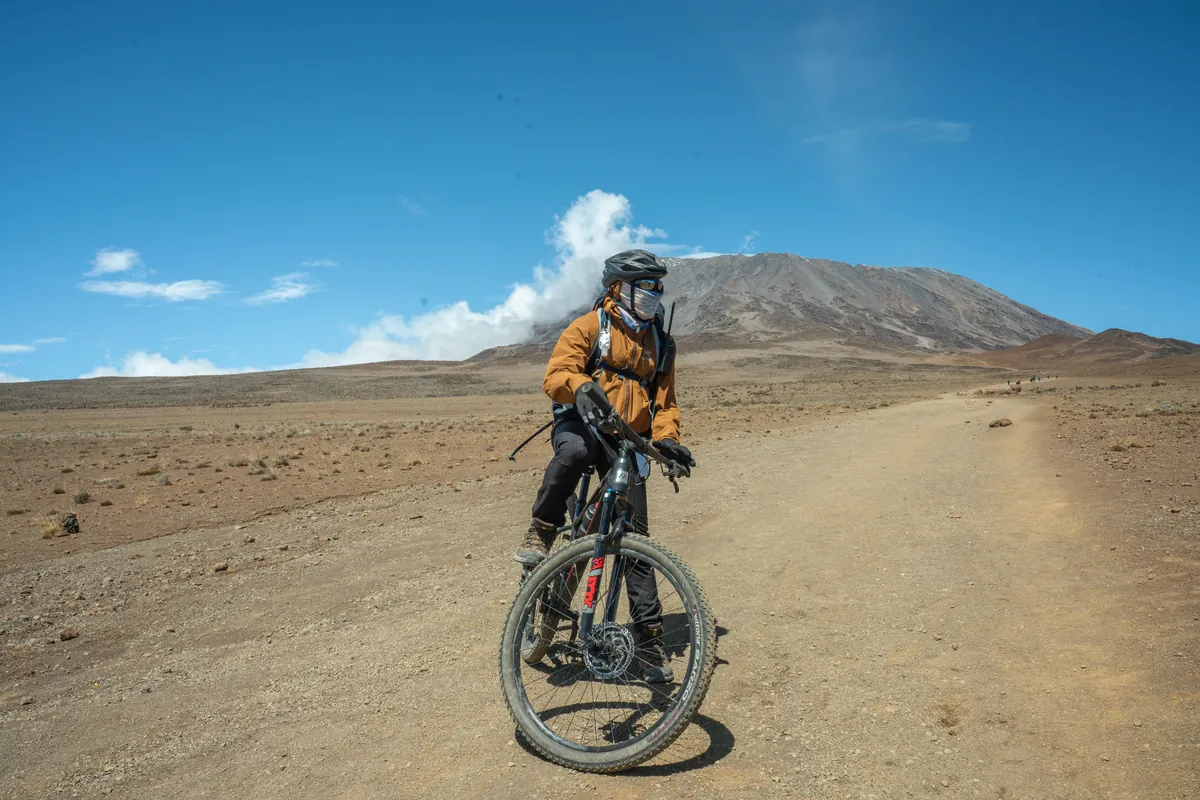
Training and preparation for a Kilimanjaro climb
How Long to Train
Three to six months of consistent work

Three months is the minimum for someone starting from a base level of fitness. Six months gives the body time to build genuine endurance rather than peak fitness. The goal is accumulating time on your feet across consecutive days, not preparing for a single maximum effort.

What to Train
Long days with elevation gain

Long hikes of four to six hours are more valuable preparation than gym sessions. If you can access hills or stairwells, use them. The Kilimanjaro day is long and uphill. Your training should simulate that rather than focus on speed or maximum intensity over short periods.

Back-to-Back Days
Train on consecutive days

On the mountain you will hike for six to eight days in a row. Training for this means doing back-to-back long days on weekends, not resting between every effort. The ability to walk on tired legs on day three is more relevant than a single maximum performance on a fresh day.

Supplementary Training
Strength and core to protect joints

Lower body strength, particularly quads and glutes, reduces the strain on knee joints during descent, which is often the most physically demanding part of the climb for many people. Core strength improves posture under a loaded pack at altitude. Both are useful additions to the main endurance base.
Route Choice and Preparation

The Route Decision Is the Most Important Preparation Decision

Choosing a longer route over a shorter one improves summit success probability more than any amount of additional training. An extra one or two nights on the mountain gives the body more time to adjust to altitude, which is the primary determinant of whether the summit push succeeds.

Routes and what they offer

Machame 7 days:
The most popular choice. Excellent acclimatisation profile through the Lava Tower at 4,600 m. Scenic and diverse terrain. The seven-day version significantly outperforms the six-day in summit success data.
Lemosho 8 days:
Quieter approach from the west with more time at lower altitudes before the main ascent begins. Excellent acclimatisation and one of the best routes for first-time Kilimanjaro climbers.
Northern Circuit 9 days:
The longest and most remote route, circling the mountain almost completely before the summit push. The best acclimatisation profile available and the highest success rate on the mountain.
Marangu 5 days:
The shortest standard route and the one with the lowest summit success rate. Mountain huts instead of tents. Appropriate for experienced high-altitude hikers who understand the compressed acclimatisation profile.
Rongai 7 days:
The only route approaching from the north, drier and quieter than the southern routes. Good acclimatisation and a different perspective on the mountain. Popular with guests who have already done Machame or Lemosho.
Our recommendation for first-time climbers. Seven-day Machame or eight-day Lemosho for most guests. The additional days compared to a five or six-day option meaningfully improve the body's preparation for summit altitude. Choosing a longer route is the single most impactful preparation decision available to you before the climb begins.
Full Route Comparison →
Gear and Packing

Layering Matters More Than Extreme Gear

Conditions on Kilimanjaro shift dramatically between the rainforest at 1,800 metres and the summit at 5,895 metres. A layered clothing system handles this range better than any single heavy piece. You do not need expedition-grade equipment. You need the right combination of layers and the ability to add or remove them as conditions change.

Summit Layers
For the final push above 5,000 m
  • Heavyweight down or synthetic insulated jacket. The warmest layer you own. Summit temperatures reach minus ten to minus twenty Celsius before windchill.
  • Insulated trousers or heavyweight fleece bottoms over base layer. Wind and cold affect the lower body as severely as the upper body on summit night.
  • Balaclava or warm hat covering ears fully. Heat loss from the head at altitude is significant.
  • Inner and outer gloves. Summit-night gloves need to be warm enough to work independently from the shell layer.
Mid-Mountain Layers
For the moorland and alpine desert zones
  • Moisture-wicking base layer. Merino or synthetic. Never cotton. Cold mornings after sweating in cotton are a genuine misery at altitude.
  • Fleece mid-layer for mornings and evenings at camp. The temperature at camp above 4,000 metres drops sharply after sunset.
  • Waterproof shell jacket. Essential for the rainforest and for unexpected weather above 4,000 metres.
  • Lightweight trekking trousers and gaiters for wet and loose terrain in the lower zones.
Footwear
The most important single gear item
  • Sturdy waterproof hiking boots with ankle support. Already broken in before the climb. New boots on Kilimanjaro day two is a serious problem. Break them in over months of training, not days before departure.
  • Warm hiking socks, two pairs per day. Summit night socks should be thick enough for extended exposure to near-freezing temperatures inside the boot.
  • Camp sandals or lightweight shoes for evenings at camp. Feet need recovery time out of boots between long climbing days.
Trekking Poles
Worth bringing, especially for descent
  • Adjustable trekking poles reduce the load on knee joints significantly on long descents. Many climbers find them most valuable on the way down from the summit rather than on the ascent.
  • Bring poles you are comfortable using, not ones borrowed for the trip. Using poles effectively requires practice and familiarity.
  • Pole baskets should be fitted for loose scree and volcanic soil. Large snow baskets are not required.
Hydration
More critical than on any other trekking environment
  • Three to four litres per day. Dehydration at altitude accelerates every altitude symptom. Drink consistently throughout the day rather than waiting until thirsty.
  • Insulated water bottle or hydration reservoir with insulated sleeve. Drinking tubes freeze at summit altitude without insulation. A wide-mouth insulated bottle is more reliable than a hydration system at extreme cold.
  • Electrolyte sachets. Useful for summit night and days after heavy physical exertion at altitude.
Headlamp
Summit night essential
  • Headlamp with fresh batteries and a full spare set. Summit night starts in darkness and most climbers are on the approach to the crater rim for three to five hours before first light.
  • Cold temperatures at altitude drain battery performance significantly. Keep spare batteries in an inside pocket close to body warmth.
  • A headlamp rated for cold-weather use is preferable to a standard consumer unit for summit temperatures.
Summit Night

The Most Demanding Part of the Climb

Summit night begins before midnight and is the most physically demanding section of the climb for most people. Temperature drops significantly, movement slows to its minimum pace, altitude affects breathing and energy levels sharply, and the approach to the crater rim takes five to seven hours of continuous uphill movement in darkness.

What Happens on Summit Night

  • Departure from high camp at 11 pm to midnight. The exact timing depends on your guide's assessment of conditions and your group's pace.
  • The first section climbs loose volcanic scree in darkness. Movement is slow and the cold is its most severe in the hours before dawn.
  • Stella Point at approximately 5,739 metres is the crater rim. Most climbers experience their most significant altitude effects in the final approach to Stella Point. The guide's job here is to keep movement consistent and read each climber's condition carefully.
  • Uhuru Peak is forty-five to sixty minutes beyond Stella Point along the crater rim. Sunrise typically meets climbers somewhere on this section, which changes the atmosphere and the visibility entirely.
  • Descent begins immediately after the summit. The same terrain that took five to seven hours to ascend at night can be descended in two to three hours by daylight.

What Altitude Does on Summit Night

At 5,000 metres and above, the available oxygen is approximately half that at sea level. The body compensates by increasing breathing rate and heart rate. Physical output above what is absolutely necessary creates oxygen debt rapidly.

The physical experience varies between climbers. Common experiences include a throbbing headache, nausea at exertion, slowed thinking, and an overwhelming desire to stop. These are normal altitude responses and do not necessarily mean the climb cannot continue. What matters is how the symptoms are trending and whether they are worsening or stabilising.

Our guides carry pulse oximeters and make ongoing assessments throughout summit night. They set the pace and they make the call on when to continue and when to descend. Trusting that judgement is part of summit night preparation.

Mental Preparation

Confidence Comes from Understanding the Mountain

Most of the uncertainty that makes Kilimanjaro feel intimidating comes from not knowing what the experience will be like. Climbers who arrive with a clear understanding of altitude, the daily structure of the climb, what summit night feels like, and realistic expectations about how their body will respond, enjoy the climb far more than those who arrive with only a destination in mind.

Accept the Pace
Pole pole is not ceremony

Pole pole means slowly, slowly in Swahili. It is not a cultural flourish. It is the altitude management instruction that guides use from the first day. Moving at a pace that feels almost embarrassingly slow in the lower zones is the correct pace at altitude. Accepting it early and completely changes how the body arrives at high camp.

Expect Discomfort
Feeling bad above 4,000 m is normal

A headache, fatigue, disrupted sleep, and reduced appetite above 4,000 metres is a normal altitude response, not a sign that something is seriously wrong. Understanding this before the climb means you do not catastrophise these feelings when they arrive. The distinction between normal discomfort and the warning signs that warrant descent is what your guide monitors and explains.

Day by Day
Focus on the day in front of you

The mountain is climbed one day at a time. Thinking about summit night on day two is not useful. The daily structure of camp arrival, rest, food, sleep, and the next morning's departure creates a rhythm that most climbers find easier to settle into than they expected. The objective is today's camp. Tomorrow will be tomorrow's camp.

Trust Your Guide
The guide has been here before

Our guides have led dozens of climbs to the summit. They have seen what altitude looks like at every stage, they have made the call to descend when necessary, and they have supported climbers to the top who thought they could not continue. On summit night especially, trusting their judgement on pace, timing, and whether to push or turn around is part of how the mountain is climbed safely.

Common Questions

Frequently Asked Questions About Kilimanjaro Preparation

How fit do I need to be to climb Kilimanjaro?

You need solid cardiovascular endurance, not extreme fitness. The ability to walk uphill for six to eight hours per day across multiple consecutive days is the standard. Strong hikers who have never been at altitude can still struggle. Consistent training focused on long days and elevation gain over three to six months is more valuable than short high-intensity sessions.

How far in advance should I start training?

Three to six months of consistent training gives the body time to build genuine endurance rather than peak fitness. If you are starting from a low base, six months is the right window. If you are already regularly hiking with elevation gain, three months of specific preparation is usually sufficient.

Should I take Diamox for altitude?

Acetazolamide (Diamox) can reduce the severity of altitude sickness for some climbers and is widely used on Kilimanjaro. Consult your doctor before the climb. It is not a replacement for a longer route and does not eliminate the need for proper acclimatisation. Some climbers have significant side effects. Discuss it with a doctor who knows your health history.

What should I eat on the mountain?

Eat even when you do not want to. Appetite fades above 4,000 metres but calorie demand rises sharply. Our mountain cooks prepare three meals per day including hot breakfast, packed lunch, and a hot evening meal. Eating consistently despite reduced appetite maintains energy, helps the body recover overnight, and supports altitude response.

Is Kilimanjaro safe?

Kilimanjaro is a serious high-altitude mountain and should be approached with respect and proper preparation. With a licensed, experienced guide, proper acclimatisation time built into the itinerary, regular health monitoring, and honest communication with your guide about how you feel, the climb is a well-managed and achievable objective for most fit adults. We carry emergency oxygen and pulse oximeters on every climb.

What happens if I cannot continue?

Your guide makes the call with you. If altitude symptoms are worsening or if you are showing signs that make continuing unsafe, descent begins. There is no shame in this and no safe alternative. Descent from any point on the mountain resolves altitude sickness rapidly. The mountain will still be there. Most climbers who turn around at altitude do so because ascent speed outpaced acclimatisation, which is a preparation and route-choice issue, not a personal failing.

Kilimanjaro Routes

Climbs We Guide from Moshi

Each of these is a real, departure-ready Kilimanjaro itinerary. We brief every climber on preparation, gear, and what to expect before departure.

Machame Route Kilimanjaro 7-day most popular scenic southern approach Kilimanjaro
7 Days Most Popular
Machame Route
The most popular Kilimanjaro route. Seven days with an excellent acclimatisation profile through the Lava Tower at 4,600 m.
Lemosho Route Kilimanjaro 8-day quieter approach excellent acclimatisation Kilimanjaro
8 Days Quieter Approach
Lemosho Route
A quieter western approach with eight days and one of the best acclimatisation profiles on the mountain. Recommended for most first-time climbers.
Northern Circuit Kilimanjaro 9-day most remote highest success rate Kilimanjaro
9 Days Most Remote
Northern Circuit
Nine days, near-complete circuit of the mountain, and the highest summit success rate of any Kilimanjaro route. For those with the time.
All Kilimanjaro Routes
Plan Your Climb

Let's Prepare for Your Kilimanjaro Climb

Tell us your travel dates, available days, and fitness background. We will recommend the route that gives you the best balance of acclimatisation, comfort, and summit preparation, and brief you on everything you need before departure from Moshi.

Plan Your Climb Full Kilimanjaro Guide
Trusted by guests who have travelled with us across Tanzania
WhatsApp Us
WhatsApp Us