Plan Your Journey

info@amazinggallery.co.tz

WhatsApp: +255 748 691 331

Serengeti National Park

Serengeti
National Park

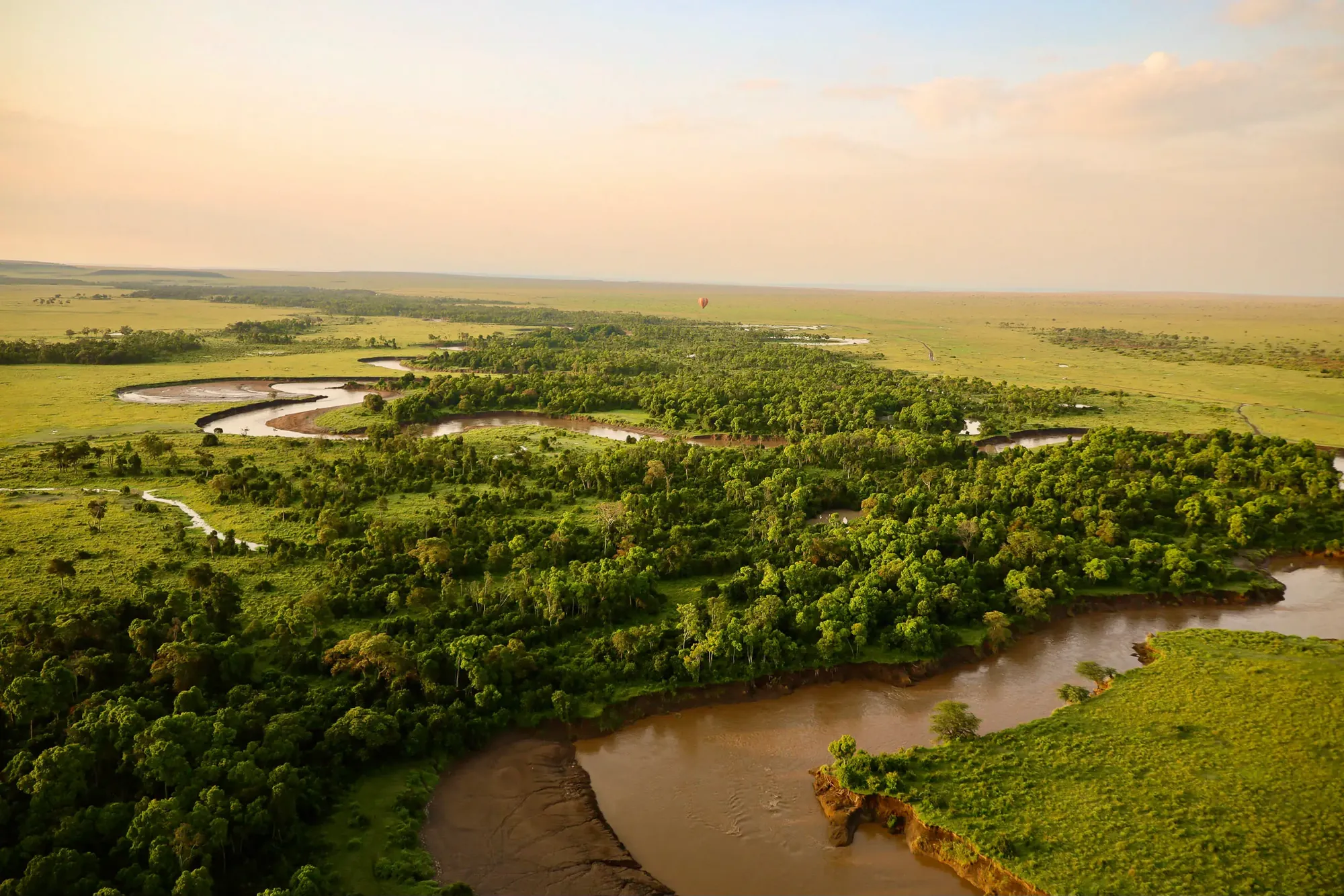
Thirty thousand square kilometres of open savannah in northern Tanzania. The Serengeti is where the Great Migration moves, where predator densities are among the highest in Africa, and where a full day on the plains can pass with nothing on the schedule but watching.

14,763 km² Protected Area Great Migration Route Private Safaris from Moshi & Arusha
Park Area14,763 km²UNESCO World Heritage Site
Migration1.5M+Wildebeest in the annual circuit
Best For CrossingsJul–OctMara River, Northern Serengeti
Calving SeasonJan–MarSouthern Serengeti, Ndutu plains
From Arusha3–4 hrsBy road, or 45 min by light aircraft
The Serengeti

What the Serengeti Actually Feels Like

Most travelers arrive expecting the migration and leave surprised by everything else. The Serengeti is not one landscape or one experience. It is a vast ecosystem that behaves differently in different seasons, in different regions, and at different times of day. Understanding how it moves changes everything about how you plan a safari here.

"The scale absorbs everything. It is not dramatic in the way photographs suggest. It is quieter, larger, and more constant."

Southern Serengeti, Calving Season
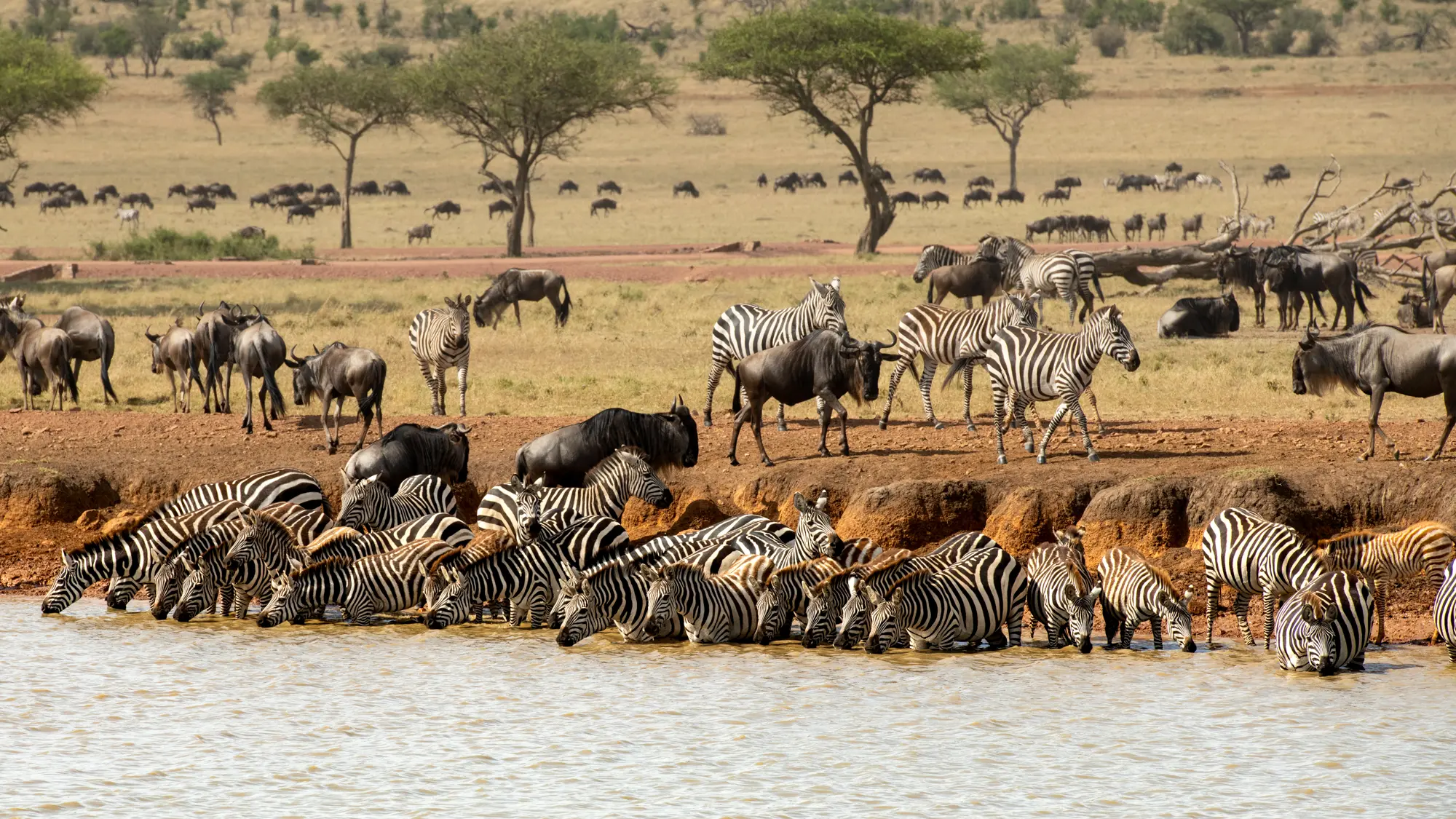
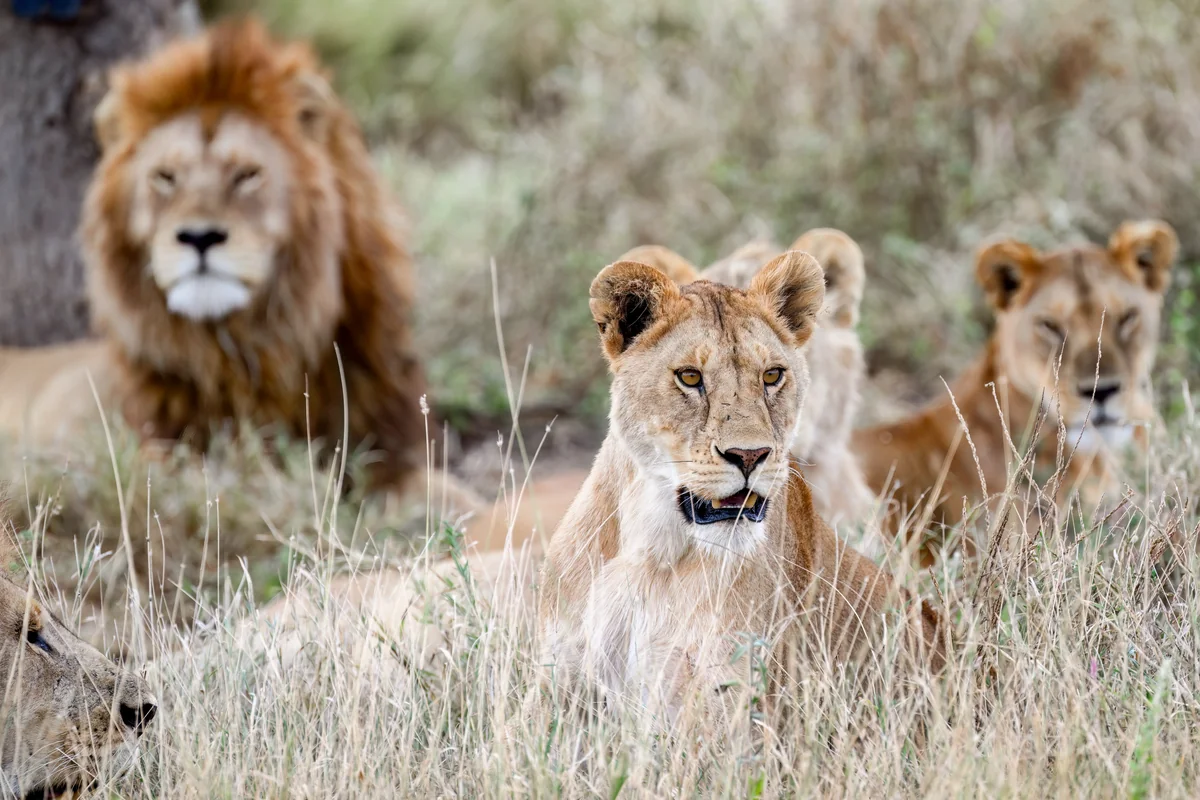
You hear the wildebeest before you see them. At calving season the sound carries across the open plain: a collective breathing and movement of tens of thousands of animals. A lioness moves parallel to the herd forty metres from the vehicle and nobody reacts, including the wildebeest. The scale absorbs everything. It is not dramatic in the way photographs suggest. It is quieter, larger, and more constant.

The Serengeti changes by month, by region, and by hour. Early mornings tend to feel colder and quieter. Predators are active before the heat arrives. By mid-morning the vehicles from other camps begin appearing at main sighting areas, which is why the first two hours of a game drive matter most. That movement of light, temperature, and wildlife through a single day is part of what makes the Serengeti feel alive in a way that is difficult to replicate anywhere else.

The Five Regions

Understanding the Serengeti Ecosystem

The ecosystem stretches across enormous distances with very different environments between regions. Choosing the right region for your travel dates often matters more than choosing the most expensive camp.

January – March
Southern Plains & Ndutu
The calving grounds. Hundreds of thousands of wildebeest calves are born here between late January and March. Predator density is high, visibility is open, and the atmosphere is unlike any other period in the Serengeti. Significantly underrated compared to the northern river crossings.
Great Migration Safari →
Year-Round
Central Serengeti
Seronera area. The most consistent wildlife viewing across all seasons. Lion prides are resident and well-documented. Leopard sightings in the fig trees along river systems are among the best in Tanzania. The right base for first-time visitors and families.
Northern Tanzania Discovery →
June – July
Western Corridor
The Grumeti River. From late May through July the herds move through here before crossing north. Less photographed than the Mara crossings but spectacular, with far fewer vehicles. The Grumeti Reserve offers exclusive private game viewing in adjacent concession land.
Signature Safari →
August – October
Northern Serengeti
The Mara River crossings. This is the most photographed wildlife event on earth. Wildebeest gather at the river in groups of thousands, wait, then cross in surges. The atmosphere becomes concentrated and intense. Book camps in this region 12 months ahead for August and September.
Great Migration Safari →
Year-Round
Eastern Serengeti
Loliondo and Lobo area. Less visited than the main tourist corridors. Good predator sightings, very few vehicles, and a more remote atmosphere. Works well combined with central Serengeti or as an extension for travelers wanting contrast to busier areas.
Luxury Safari →
Timing Your Safari

Best Time to Visit the Serengeti

The Serengeti does not have one best season. It has different seasons that suit different travelers. The migration moves by rainfall and grass, not by calendar date. For travelers planning around the Great Migration, the question is which phase of movement you want to experience.

Jan
Calving South
Feb
Calving South
Mar
S. Plains Moving
Apr
Moving NW
May
Moving West
Jun
Grumeti West
Jul
Mara Approaches
Aug
Mara Crossings
Sep
Mara Crossings
Oct
Moving South
Nov
Short Rains
Dec
Southern Return
PeakBest conditions for this experience
GoodStrong game viewing, fewer vehicles in some areas
FairPossible but variable, green season rains may affect travel
For migration crossings
August through October
Northern Serengeti and the Mara River. The peak. Book camps and flights 12 months ahead. August and September are the tightest months for availability.
For calving season
January and February
Southern plains and Ndutu area. Often overlooked. High predator activity, outstanding visibility. A quieter and frequently more affordable period than peak season.
For Grumeti and quieter travel
June and July
Western corridor and Grumeti. Crossings happen here before the better-known Mara crossings. Dry season conditions, good game throughout, and lower demand than August.

For a detailed breakdown of timing, herds by location, and what to expect at each phase, read the Great Migration Safari Guide.

On Safari

What a Day on Safari Feels Like Here

A day in the Serengeti is built around light. The day begins before sunrise with cold air and a horizontal quality of light that changes everything. The rhythm below repeats across every day, and does not become repetitive.

05:30 – 06:00
Pre-Dawn Departure
The camp is dark and cold. Tea and a rusk before the vehicle moves. The guide has been listening to the night since 4am. You drive in the direction of sounds and tracks from the previous evening.
06:00 – 09:00
Golden Hour
First light across the plains. Predators still active. The Serengeti at sunrise is horizontal: warm light, backlit grass, animal movement visible from distance. These three hours are the reason the early departure matters.
09:00 – 11:00
Mid-Morning Tracking
Heat builds and vehicle numbers increase near popular sighting areas. A good guide moves away from the obvious concentrations. This is the time for leopard in the fig trees and slower observational game driving.
11:00 – 15:00
Bush Lunch or Camp Return
Some camps run full-day drives with a bush picnic on the plains. Others return to camp for lunch and a rest. Both are correct choices depending on camp style and what is happening in the park that day.
15:30 – 18:00
Afternoon Drive
The light returns. Predators begin moving again. Late afternoons in the Serengeti are often the best-photographed hours: low sun, warm colour, long shadows across the grass. The afternoon drive ends at the sundowner spot.
18:30 – 21:00
Camp After Dark
Bush dinner. The sounds from outside the camp boundary are part of the experience. Hyena and lion calls are common. Sleep comes earlier than at home. The next morning begins the same way.
Accommodation Planning

Where to Stay in the Serengeti

Camp location often matters more than lodge brand. A premium camp in the wrong part of the park for your travel dates means long drives to reach active wildlife areas. Plan by region first, then by lodge style.

Southern / Ndutu
Calving Season Base
Mobile camps that reposition seasonally. Best placed near the Ndutu woodlands. Lake Ndutu and the short grass plains are the centre of calving activity from late January through March.
Best for: Calving season (Jan–Mar). Predator focus. Photographers.
Central Serengeti
Year-Round Anchor
Traditional fixed lodges and tented camps near Seronera. Good wildlife access any month. The best guides matter more than the lodge brand here.
Best for: Year-round. First visits. Families. Northern circuit combinations.
Western Corridor
Grumeti Access
Private concession camps on or near the Grumeti Reserve. Far fewer vehicles. Grumeti River crossings happen June and July, well before the better-known Mara period.
Best for: June–July. Privacy and exclusivity. Couples and honeymooners.
Northern Serengeti
Mara River Camps
Premium tented camps positioned near the Mara River crossings. Book 12 months ahead for August and September. Some of the finest safari camps in Africa are positioned here specifically for this season.
Best for: Aug–Oct. River crossings. Migration peak. Luxury travelers.
Eastern Serengeti
Remote Extensions
Small private camps in the Lobo area and Loliondo concession. Remote feeling, excellent game, and a sharp contrast to the busier central areas. Best combined with a central Serengeti stay.
Best for: Year-round. Remote experience. Extending a longer journey.

Our planning starts with your travel dates and what kind of Serengeti experience you are looking for. We recommend camp location first, then lodge brand, then tier. Talk to us about your Serengeti safari before you book anywhere else.

Trip Planning

How Long to Stay in the Serengeti

The Serengeti rewards time. A single night technically qualifies, but the experience builds significantly across days. Here is what different durations realistically offer.

2 nights
Quick Introduction
A taste of Central Serengeti
Two nights gives two full game drive days. Enough for solid wildlife sightings in Central Serengeti where resident animals are consistent. Does not allow for regional movement or migration positioning.
Best for: Adding Serengeti to a Ngorongoro circuit. Time-limited itineraries. Travelers combining with Kilimanjaro or Zanzibar.
4+ nights
Migration and Depth
When Serengeti is the main reason
Four or more nights allows movement between regions, proper migration positioning, and the slower pace that makes Serengeti safari feel different from a highlights tour. When northern Mara crossings or southern calving are the primary motivation, four nights minimum is the right framework.
Best for: Migration focus. Photographers. Honeymooners. Second or third visits. Multi-region Serengeti itineraries.
Expert Guidance

Common Serengeti Planning Mistakes

These are the planning errors we see most frequently. Avoiding them does not require experience; it requires asking the right questions before booking.

Migration Planning
Booking around exact river crossing dates
The migration does not cross the Mara River on predictable dates. It moves in response to rainfall, grass quality, and the behaviour of the herd. Any operator who tells you crossings happen on specific dates is guessing. The right approach is to book the peak crossing season (August through October), position yourself in the right camp, and understand that a crossing might happen on day one or day three of your stay.
Duration
Planning only one night in the Serengeti
A single Serengeti night means one game drive afternoon and one morning before departure. Many travelers who do this leave feeling they missed something, because they did. If the Serengeti is one of your main reasons for coming to Tanzania, it deserves a minimum of two nights and ideally three. We have seen too many itineraries where the most significant wildlife area receives the least time.
Lodge Selection
Choosing based on brand name rather than location
A well-known luxury brand with a Central Serengeti camp during Mara crossing season means three hours of driving each way to reach active crossing areas. Location relative to your travel dates matters more than the brand on the tent. The best-positioned camp at the right time of year will consistently outperform a more prestigious camp in the wrong region.
Internal Transfers
Under-estimating distances within the park
The Serengeti is large. Moving from Central Serengeti to the Northern corridor takes 3 to 4 hours by road in good conditions. If your itinerary moves between Serengeti regions, plan for a dedicated travel day or use light aircraft transfers to protect your safari time.
Responsible Safari

Travelling Responsibly in the Serengeti

Wildlife distance and vehicle behaviour. The Serengeti experience is defined by restraint as much as access. Keeping appropriate distance from predators, not surrounding animals with multiple vehicles, and respecting the guide's reading of an animal's comfort level protects both the wildlife and the quality of the experience for everyone. Where off-road driving is restricted, it is restricted for good reason.

Supporting responsible operations. We work with guides and camps that operate within TANAPA guidelines. For combined Kilimanjaro climbs, we adhere to KPAP porter welfare standards. Our preference is always for camps that support local communities, employ locally, and contribute to the long-term health of the conservation area.
Plan Your Safari

Start Planning Your Serengeti Safari

Tell us your travel dates, how many nights you want in the Serengeti, and what kind of experience you are looking for. We will build a detailed private safari proposal from Moshi.

Plan Your Serengeti SafariContact Us
WhatsApp Us
WhatsApp Us